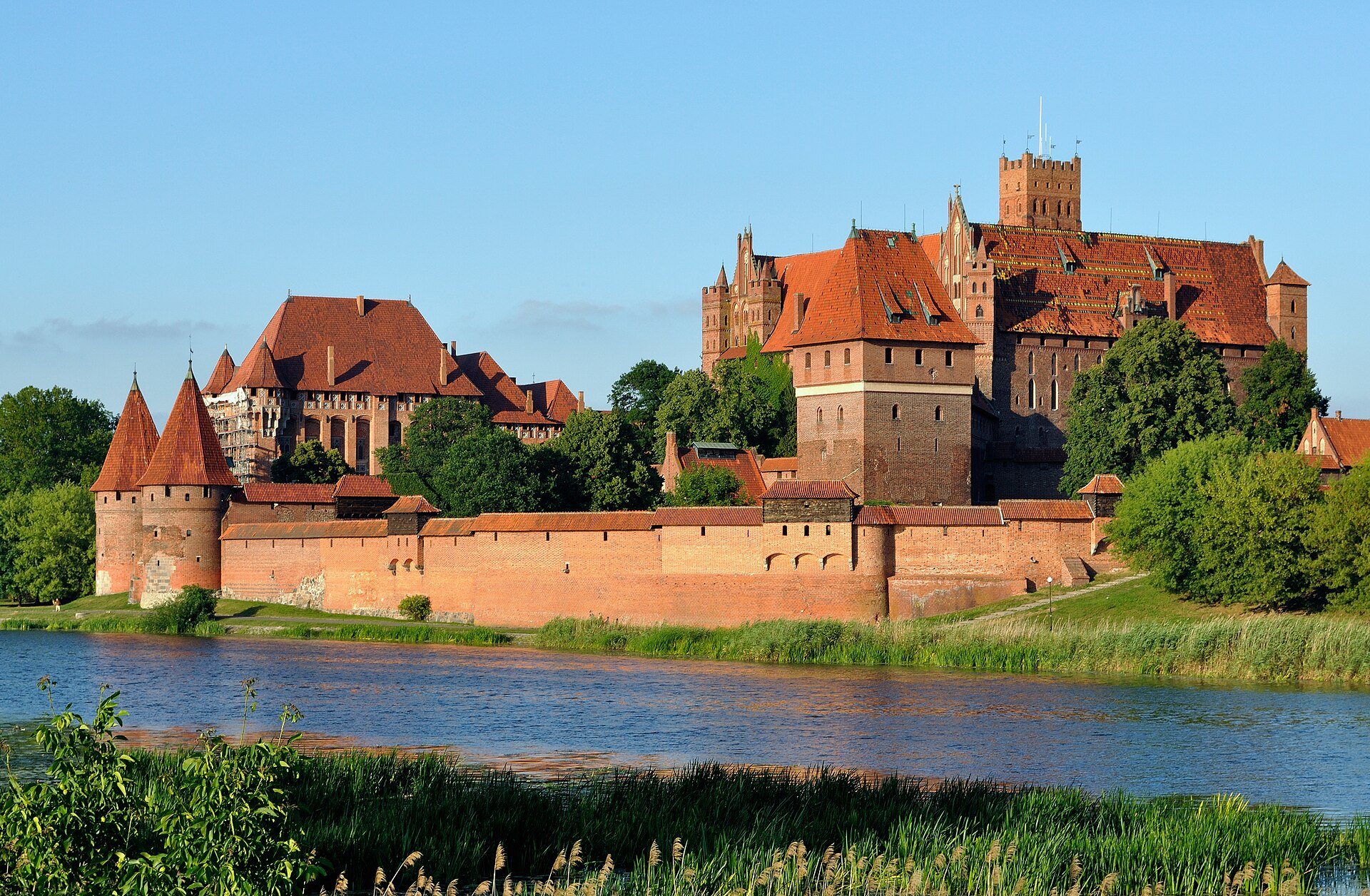
Malbork Castle
The Story
The Teutonic Knights began construction in 1274 as their order expanded its crusading mission into the pagan Baltic. By the early 15th century, Malbork was the administrative capital of a powerful military state controlling trade across northern Europe. The Battle of Grunwald in 1410, where Poland and Lithuania decisively defeated the Teutonic Knights, began the castle's long decline. Transferred to Poland in 1457, it served various purposes before falling into near ruin. A 19th-century restoration and a painstaking post-WWII rebuilding returned it to its current UNESCO-listed state.
What Awaits You
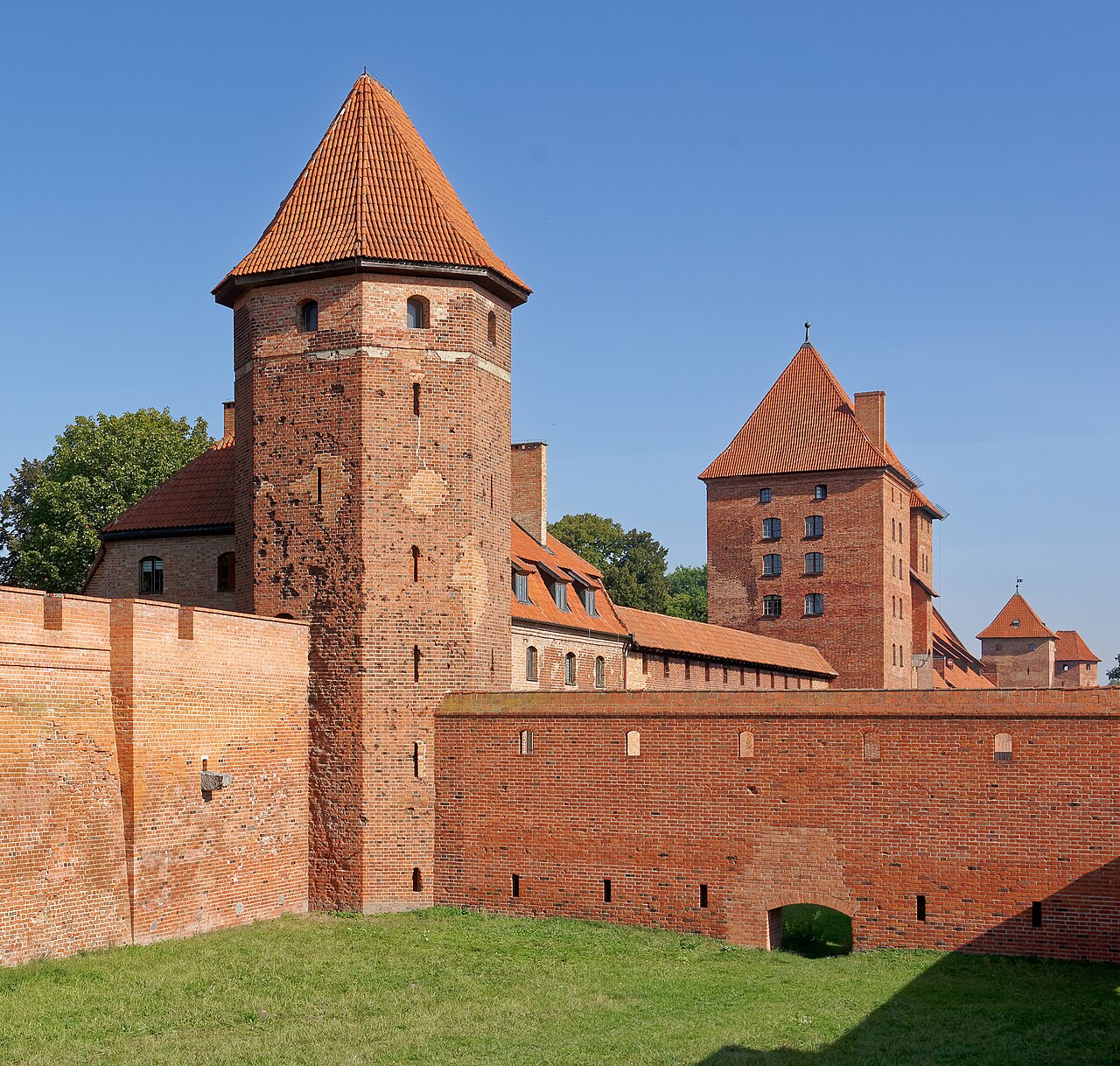
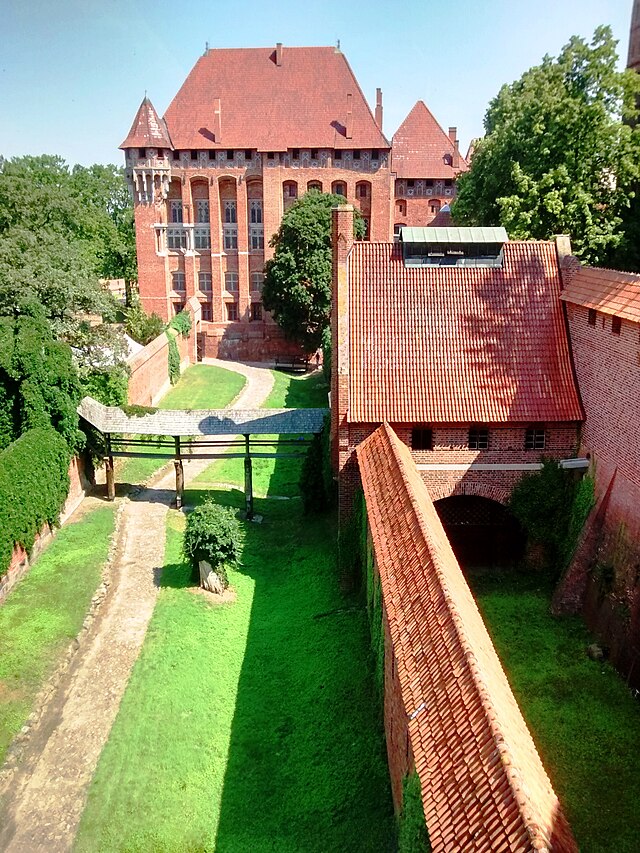
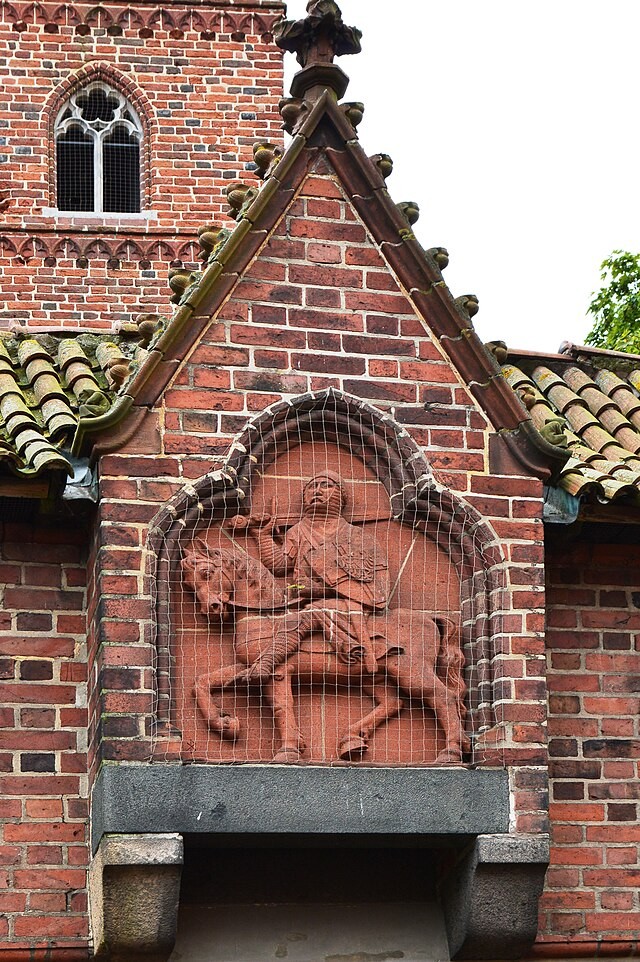
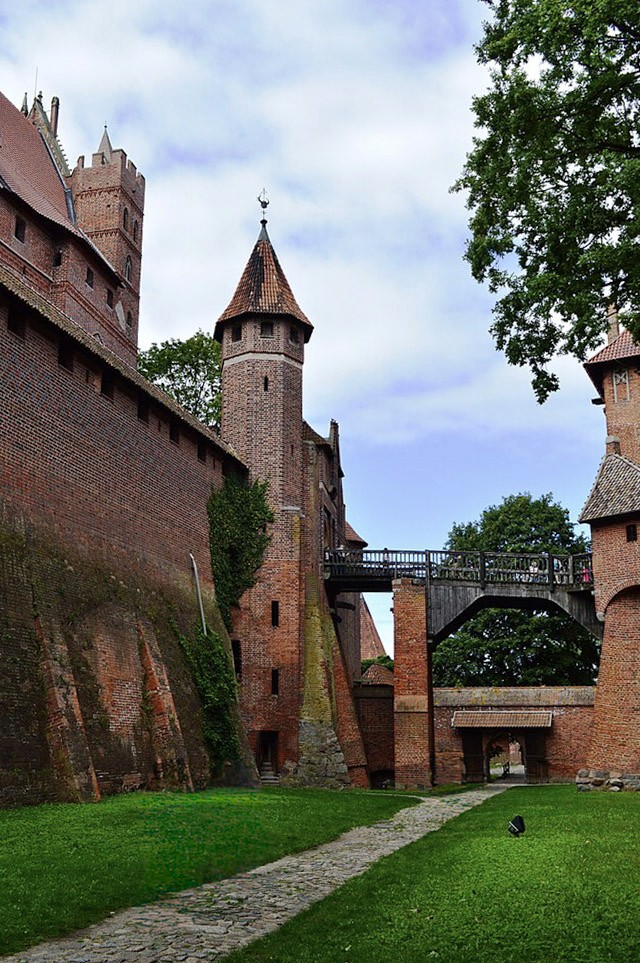
Architecture: Three interconnected Gothic brick castles covering over 21 hectares — the largest castle by area in the world, constructed entirely from brick
Cultural significance: Headquarters of the Teutonic Knights, who used it to govern a crusader state controlling the Baltic region for over 150 years
Landscape / setting: Beside the Nogat River in northern Poland, its red-brick walls reflecting in the water at golden hour
Unique feature: Nearly destroyed in World War II, the castle's meticulous post-war reconstruction using original plans is considered one of Europe's greatest restoration achievements
Detailed Itinerary
Location
Era Built
Architecture Style
Best Time

Similar Tour