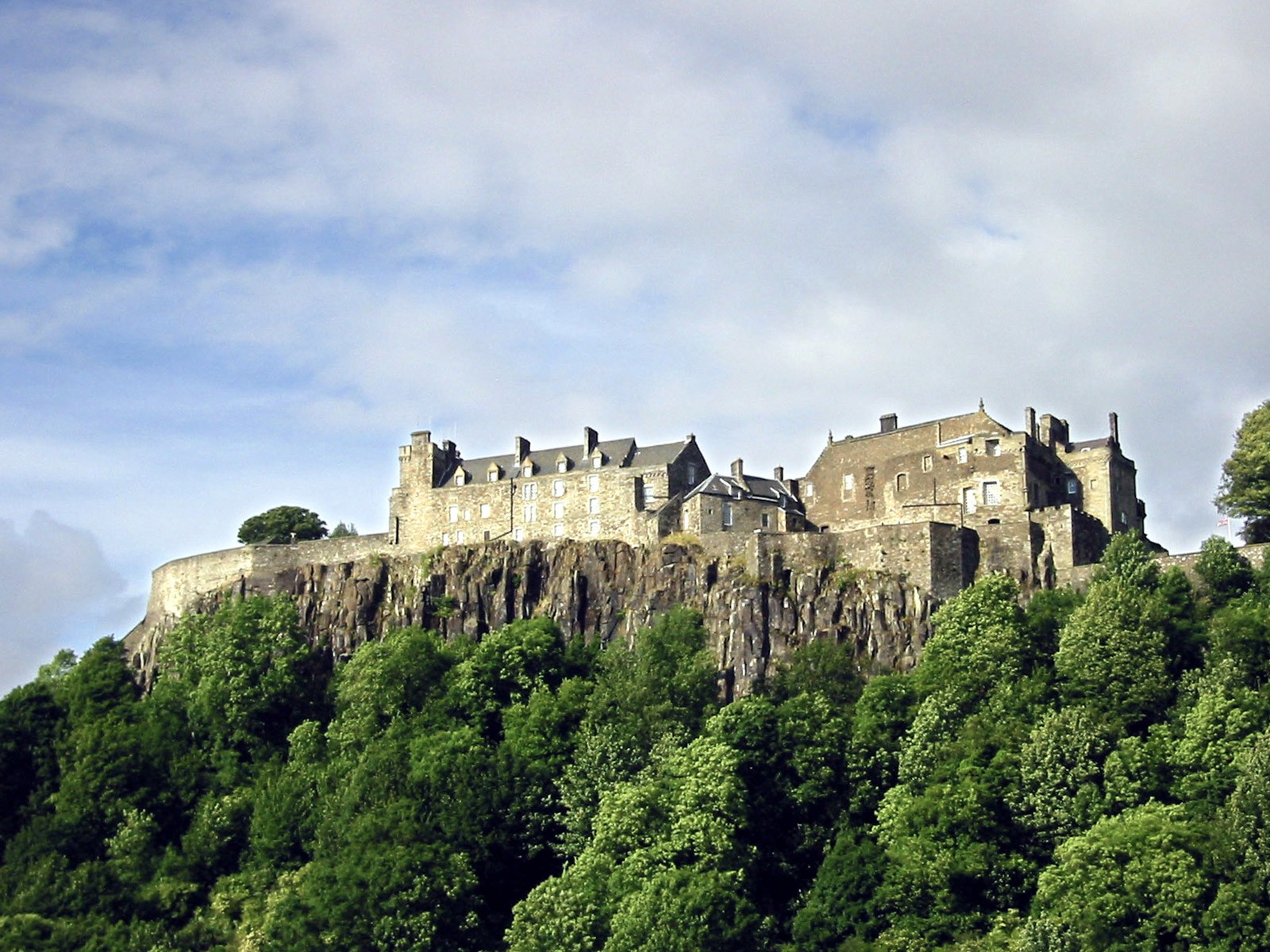
Stirling Castle
The Story
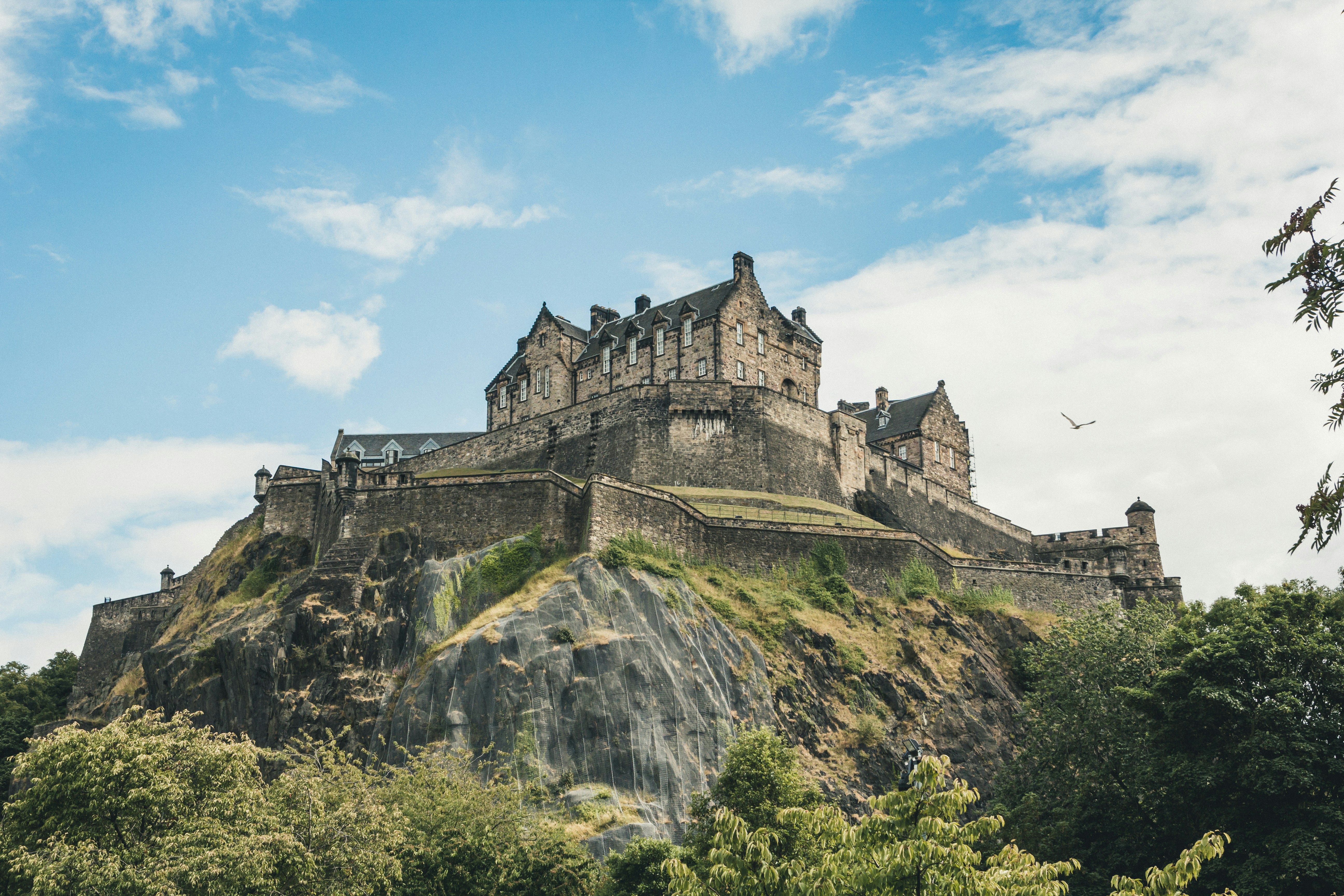
Stirling's rock has been fortified since prehistoric times, but the castle took its defining shape between the 12th and 16th centuries as Scotland's most strategically vital stronghold. It changed hands between Scottish and English forces at least eight times during the Wars of Independence. William Wallace's victory at Stirling Bridge in 1297 and Robert the Bruce's triumph at Bannockburn in 1314 were both fought to control this castle and the crossings it commanded. Multiple Scottish monarchs were born, crowned, or raised within its walls.
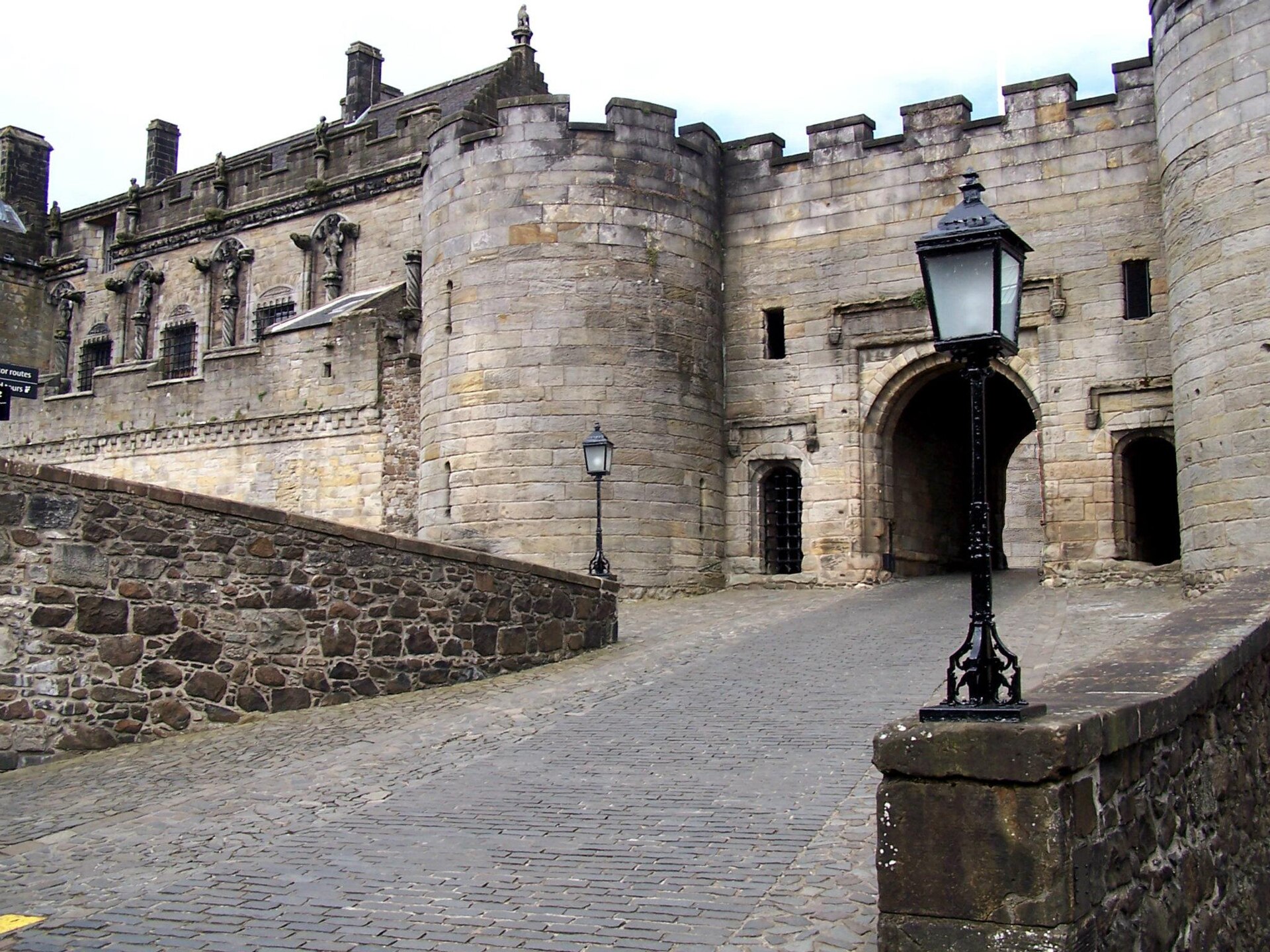
What Awaits You
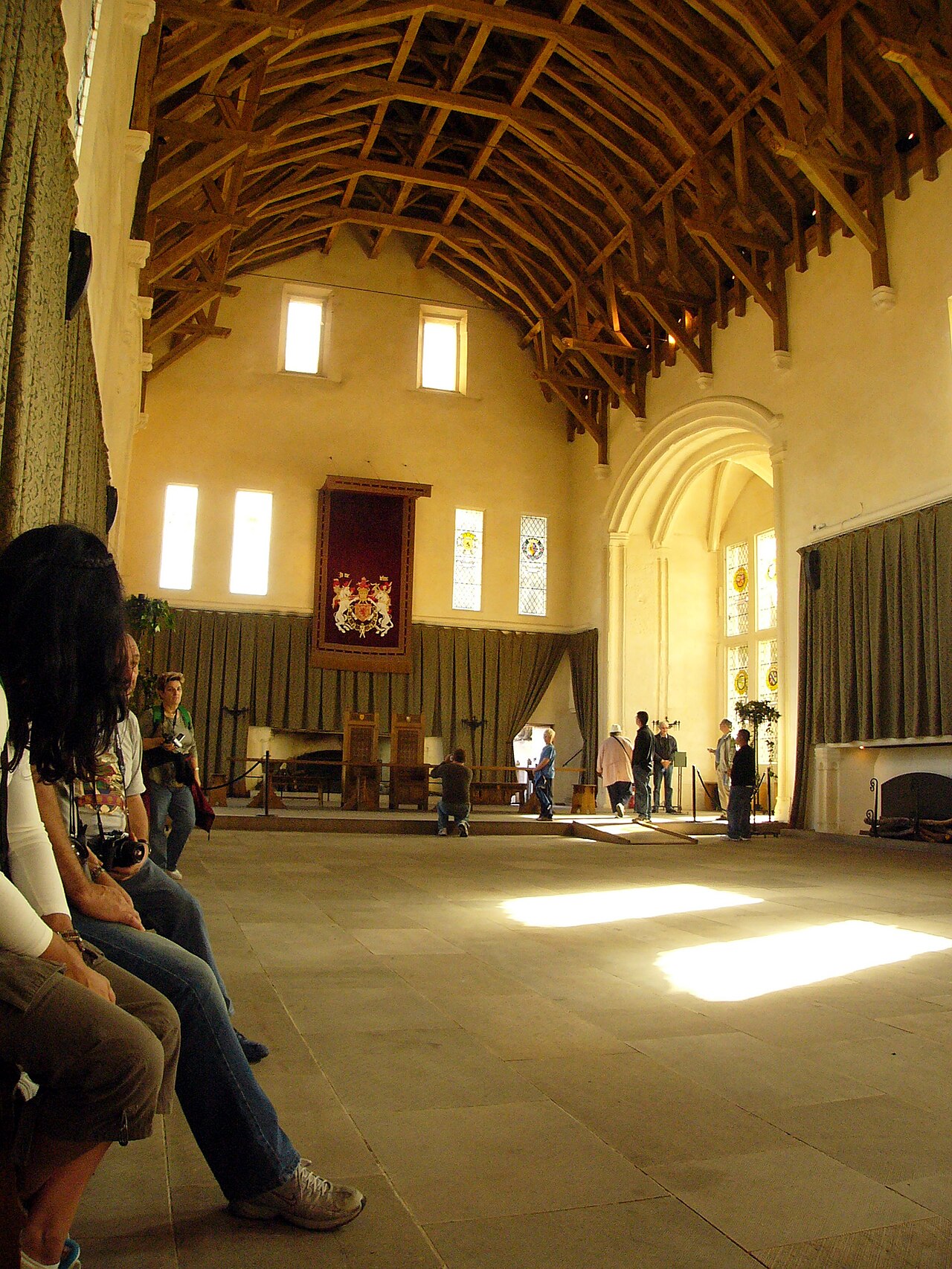
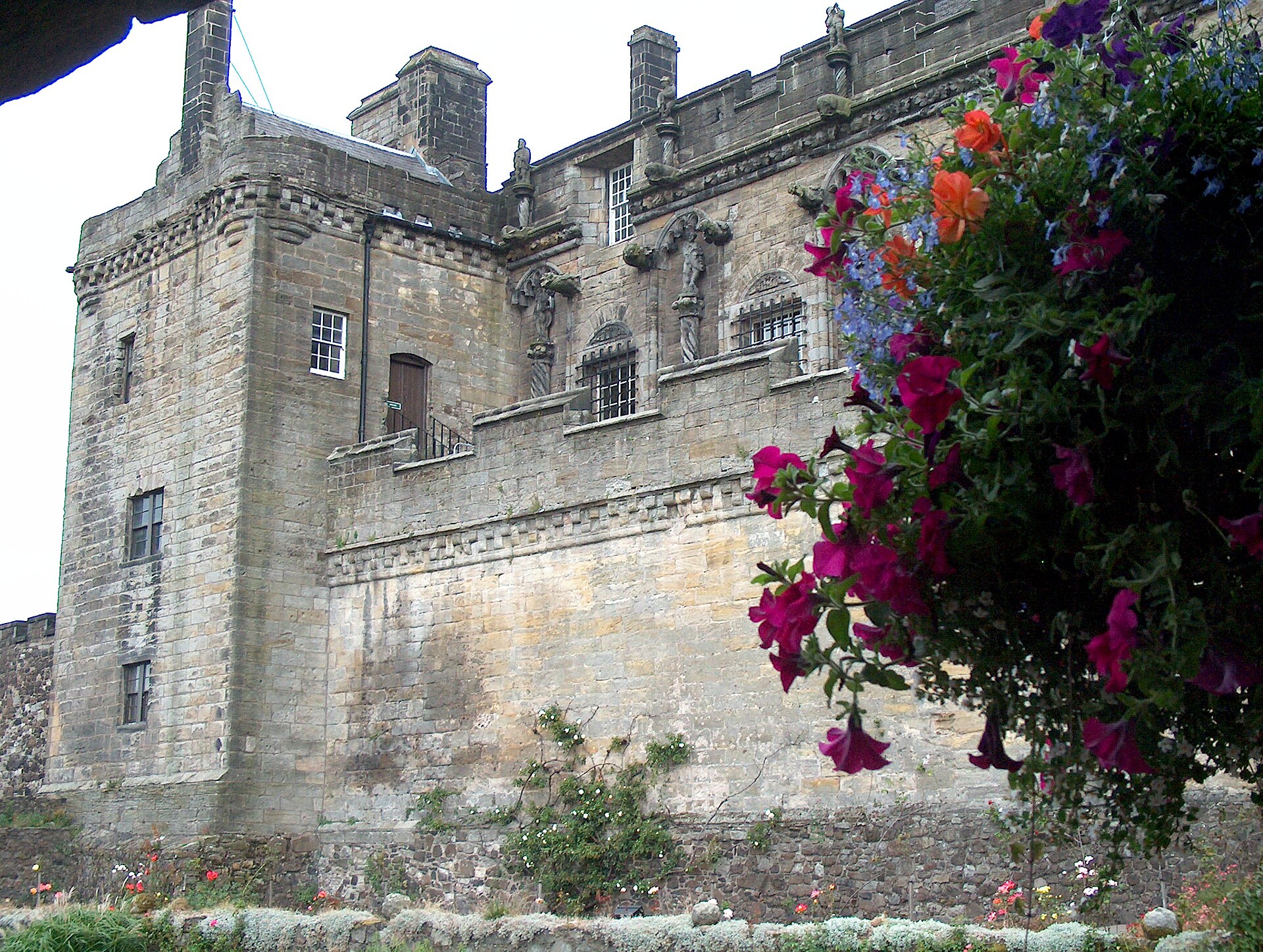
Architecture: Impressive medieval fortress combined with a Renaissance royal palace — the Great Hall, built in 1503, was the largest secular building in Scotland
Cultural significance: Site of multiple Scottish coronations including Mary Queen of Scots in 1543; key fortress in the Wars of Scottish Independence
Landscape / setting: Volcanic crag overlooking the Forth Valley with views to the Highlands, Wallace Monument, and Bannockburn battlefield
Unique feature: The Stirling Heads — a series of carved oak roundels decorating the royal palace ceiling — are among the finest examples of Renaissance carving in Scotland
Detailed Itinerary
Location
Era Built
Architecture Style
Best Time

Similar Tour