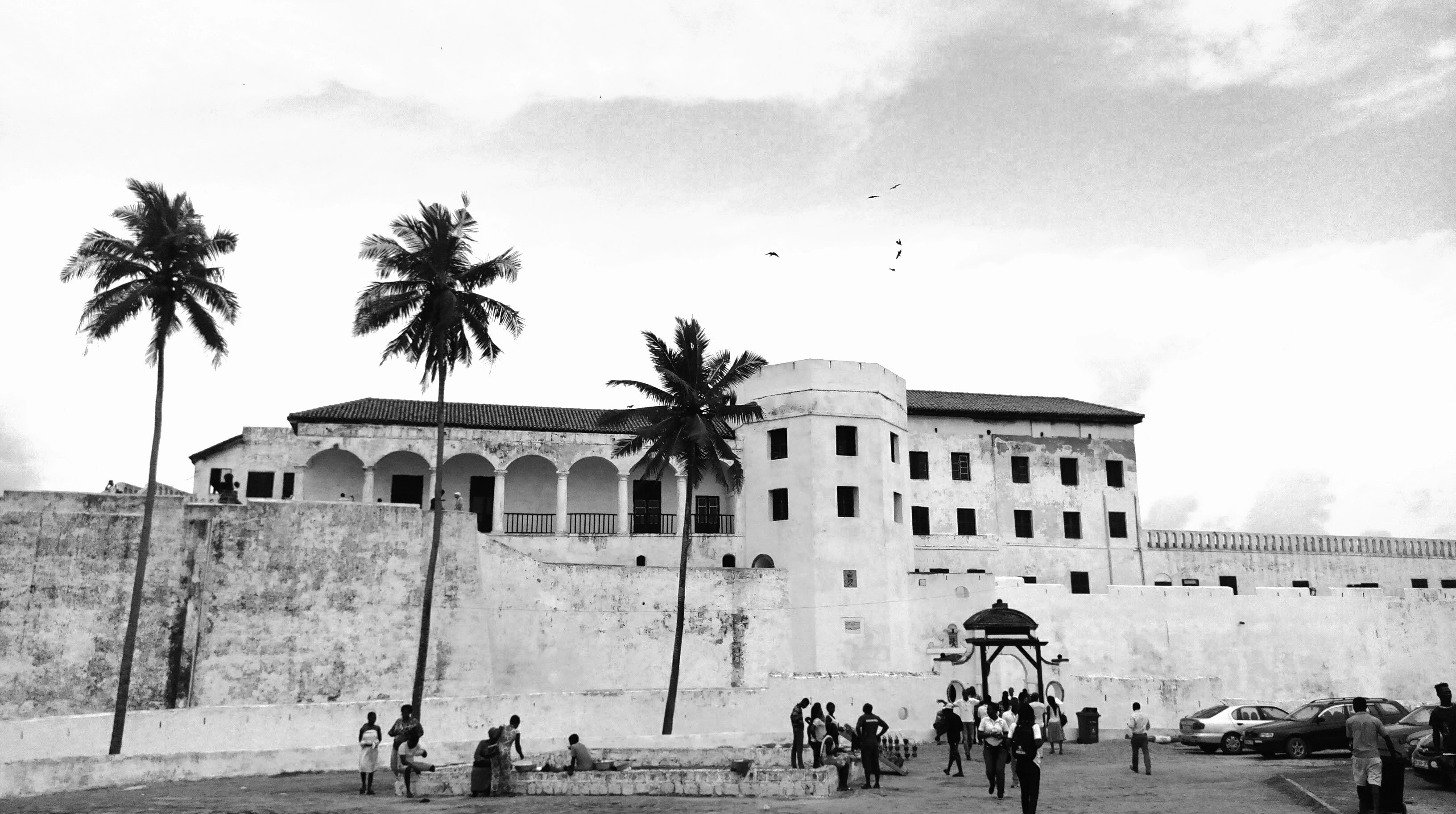
Elmina Castle
The Story
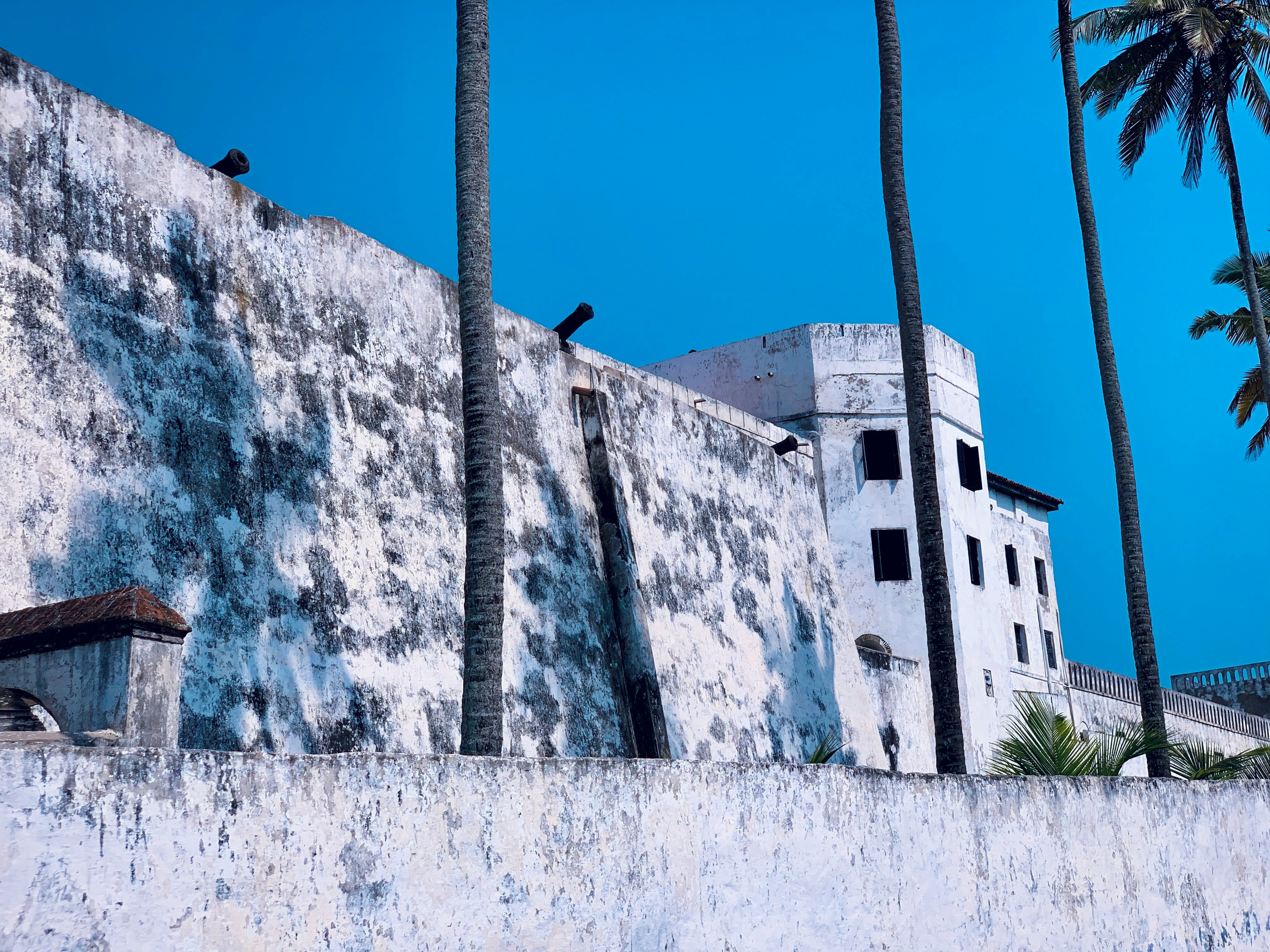
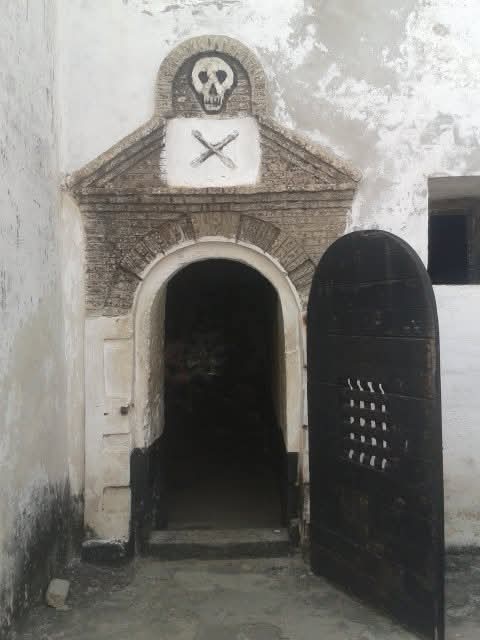
Portuguese explorer Diogo de Azambuja built São Jorge da Mina (St George of the Mine) in 1482 to control the gold trade of the Gold Coast. Within decades, as the transatlantic slave trade grew, it became one of its primary processing points. The Dutch captured it from Portugal in 1637 and expanded the slave-trading operation significantly. Hundreds of thousands of enslaved Africans passed through its dungeons over three centuries. Together with Cape Coast Castle, Elmina represents the physical infrastructure of the transatlantic slave trade — a history that shaped the entire modern world.
What Awaits You
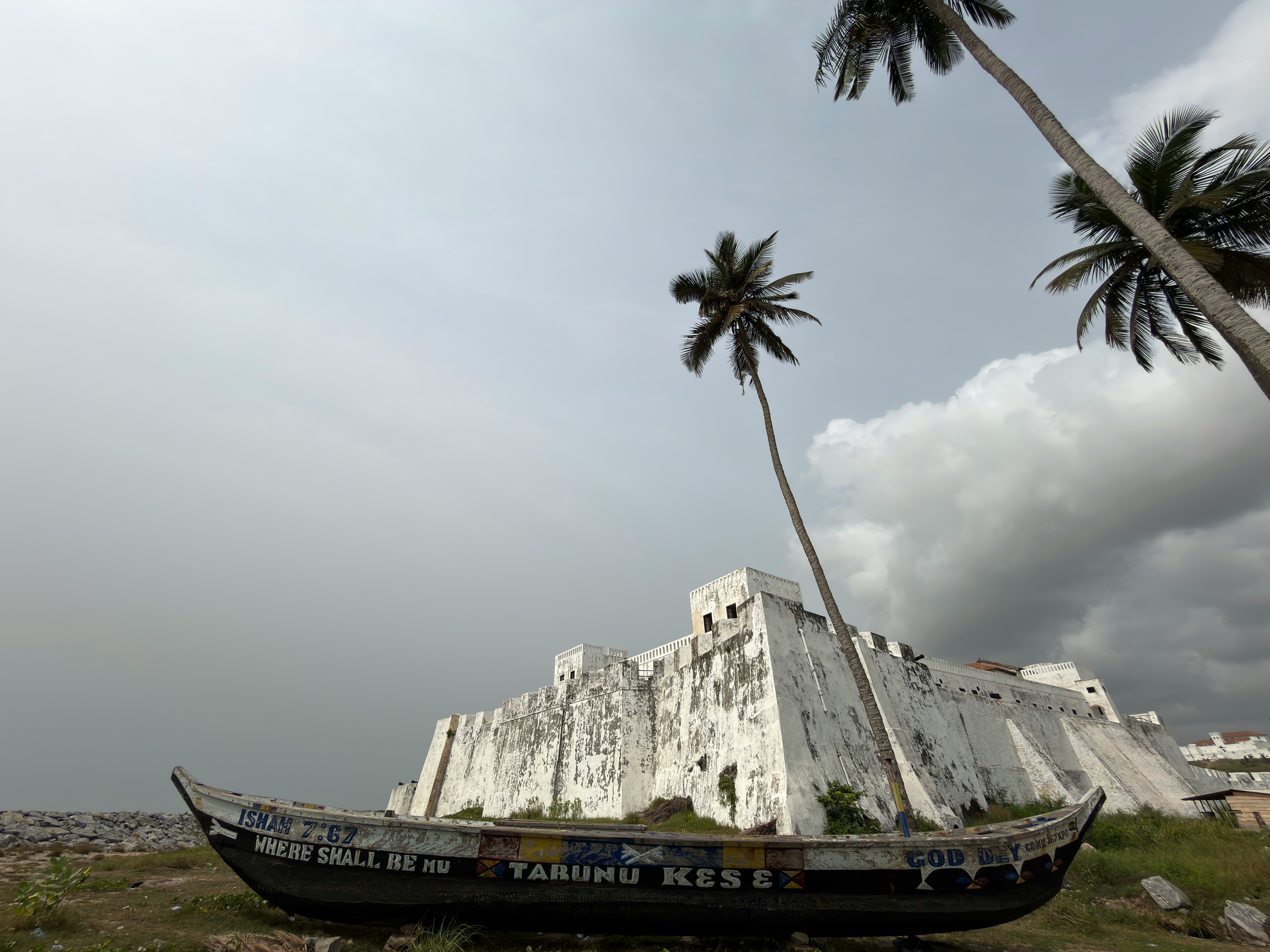
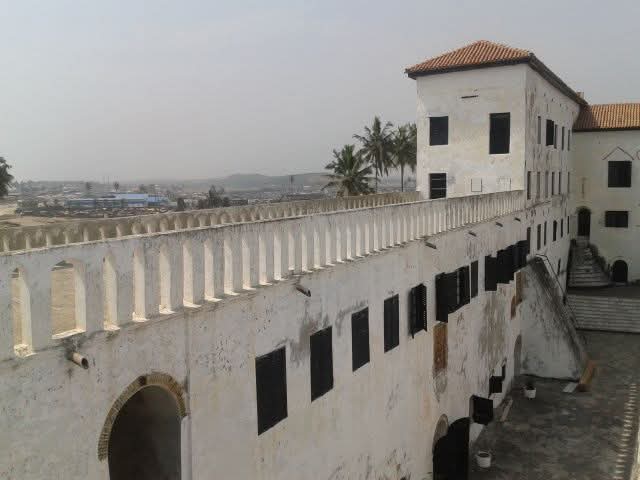
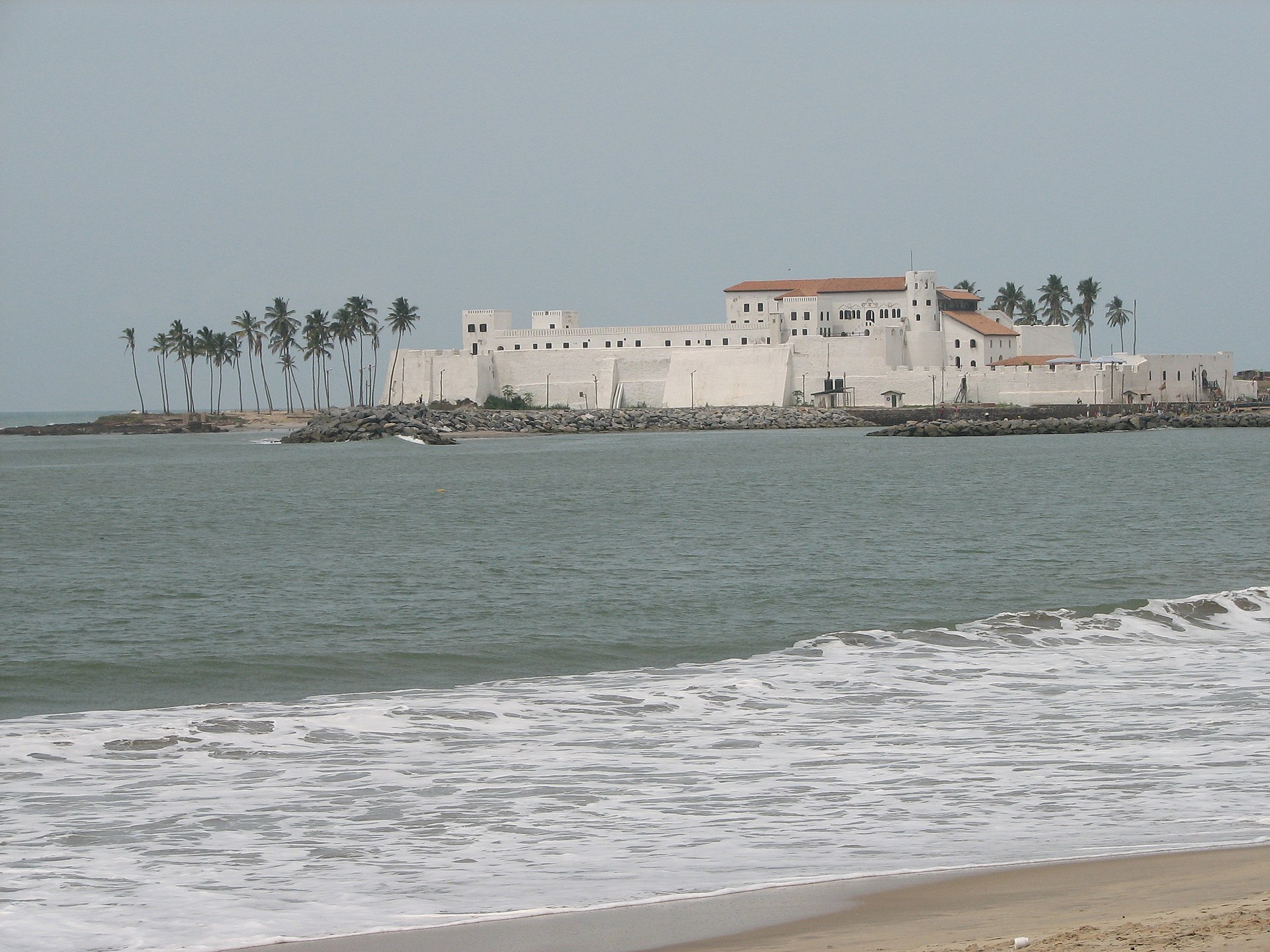
Architecture: Portuguese-built fortress completed in 1482, expanded by the Dutch — the oldest European structure in sub-Saharan Africa
Cultural significance: Active slave-trading post for over 300 years; UNESCO World Heritage Site alongside Cape Coast Castle
Landscape / setting: On the coast of Ghana's Central Region, at the mouth of the Benya Lagoon where it meets the Atlantic Ocean
Unique feature: A Christian church was built within the castle walls directly above the women's slave dungeon — one of the most stark architectural contradictions in colonial history
Detailed Itinerary
Location
Era Built
Architecture Style
Best time

Similar Tour