Krak des Chevaliers
The Story
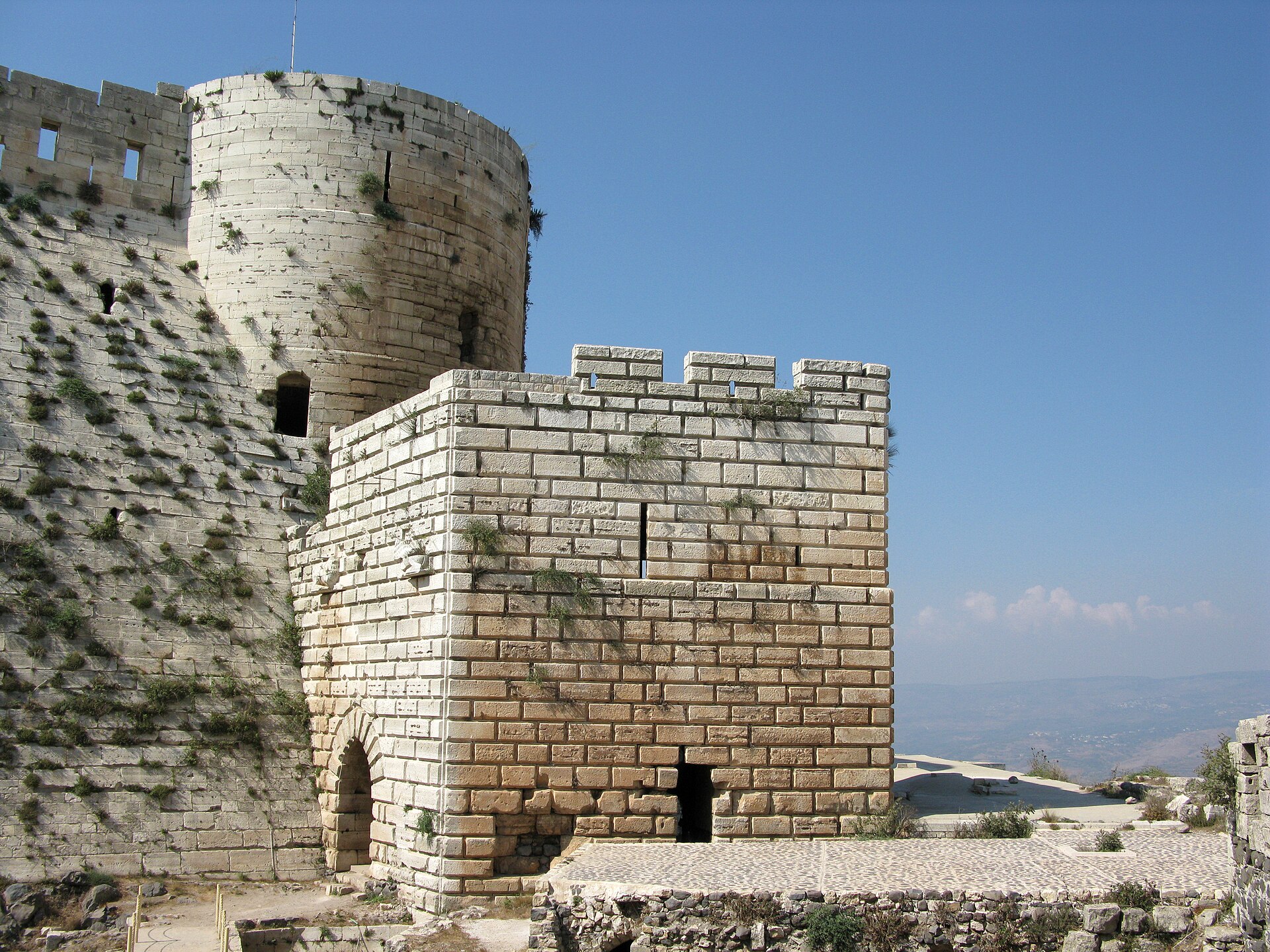
Originally a Kurdish fortress, the site was taken by the Crusaders in 1110 and given to the Knights Hospitaller, who transformed it into the most formidable castle in the Holy Land over the following century. It withstood twelve major sieges — including repeated attacks by Saladin — before finally falling to the Mamluk Sultan Baybars in 1271 through diplomacy rather than force. It served various purposes over subsequent centuries before being excavated and restored in the 20th century. UNESCO listed it in 2006, and despite the Syrian Civil War, its primary structures survived largely intact.
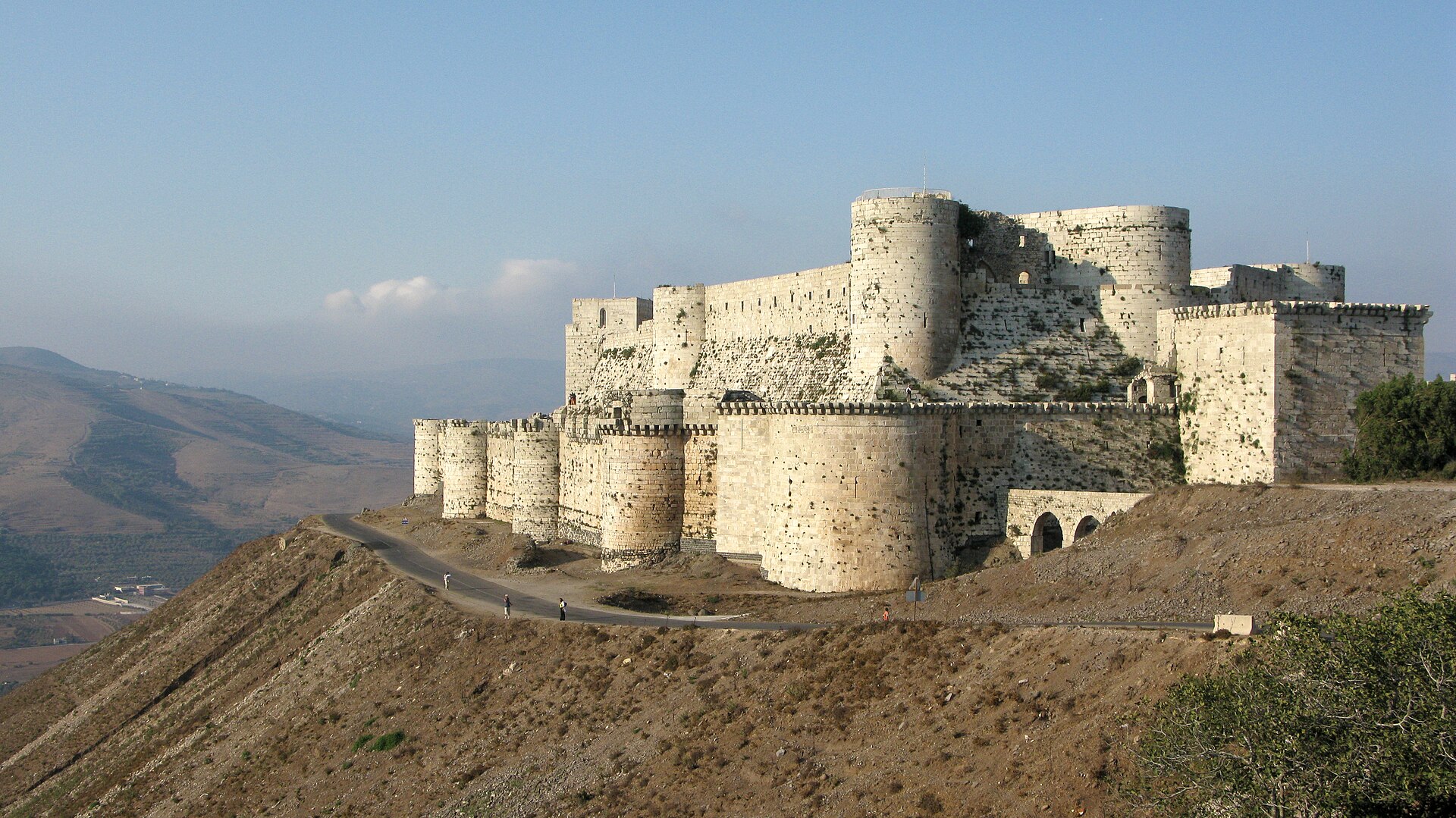
What Awaits You
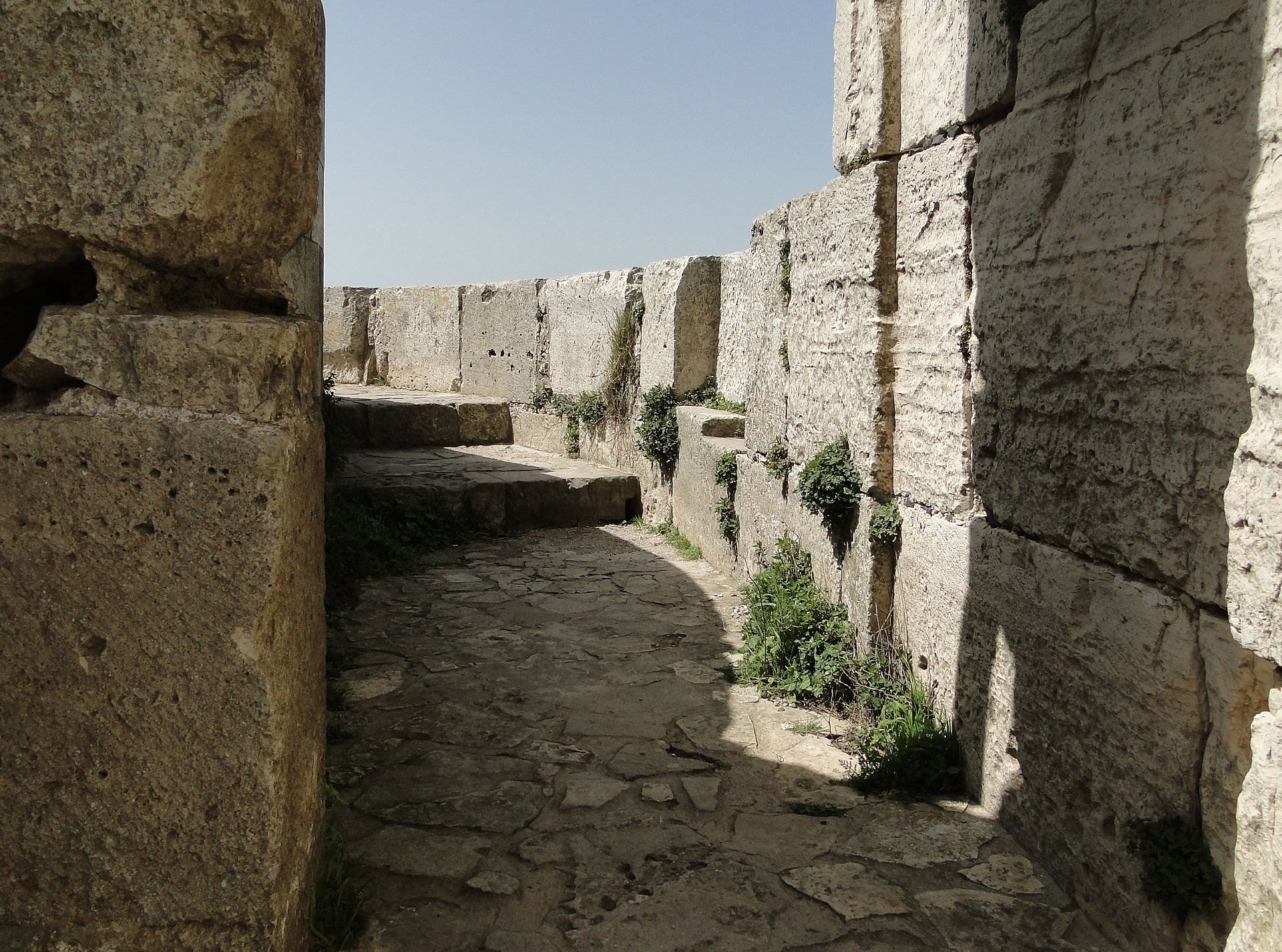
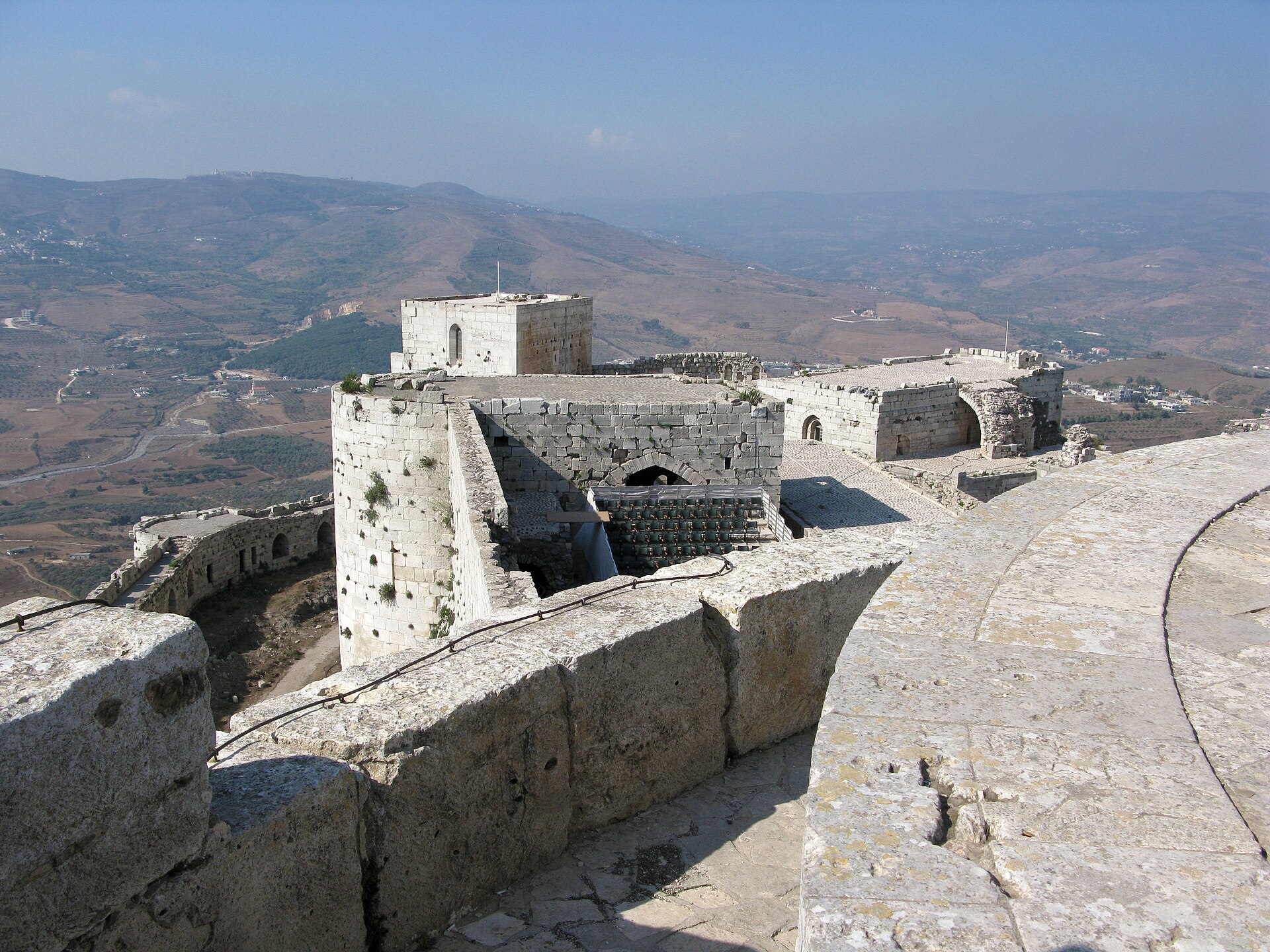
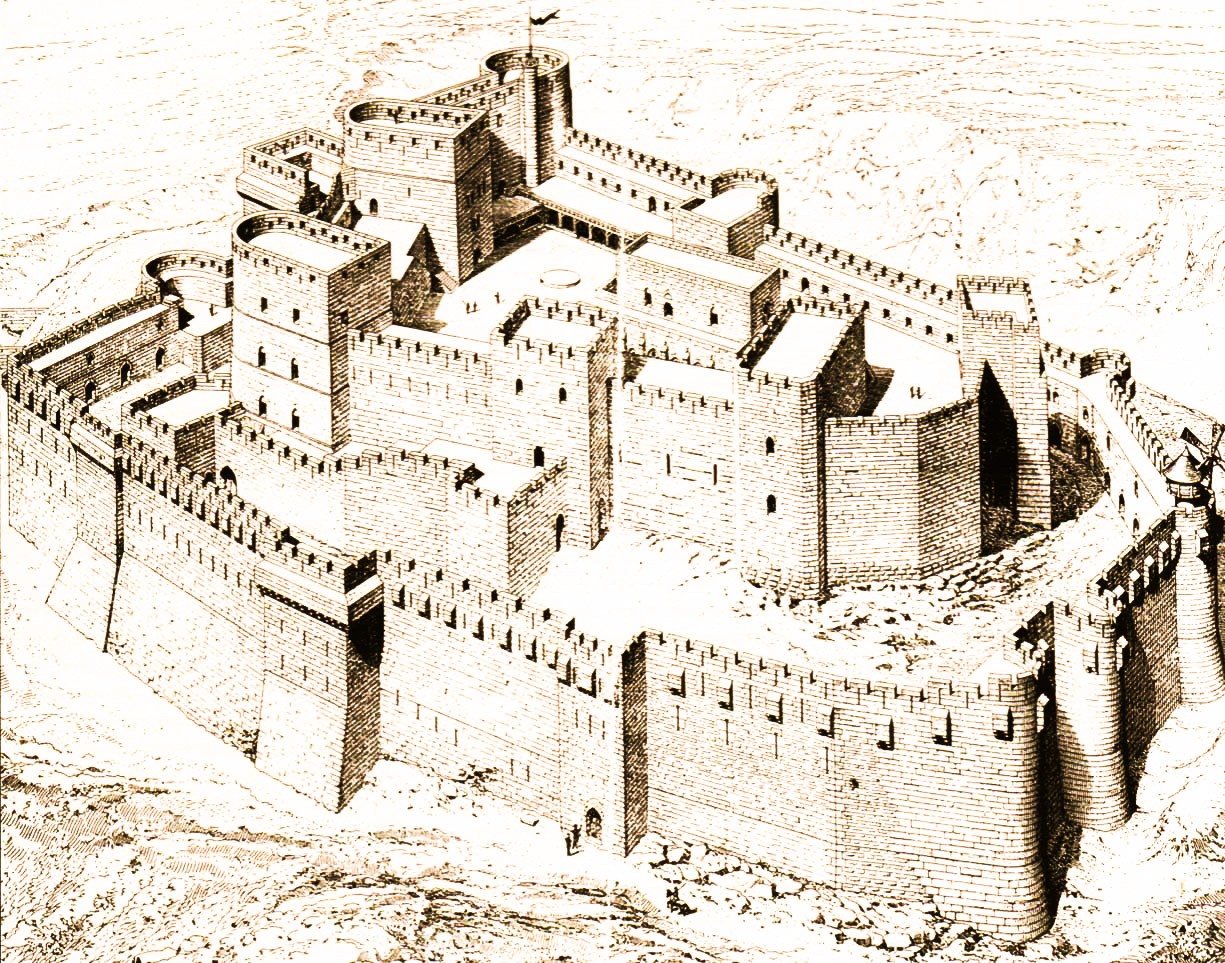
Architecture: Concentric crusader castle — the most completely preserved example in the world with inner and outer defensive rings, a great hall, chapel, and water reservoir all intact
Cultural significance: UNESCO World Heritage Site; T.E. Lawrence called it "the most wholly admirable castle in the world" built and occupied by the Knights Hospitaller
Landscape / setting: On a 650-meter hill in the Homs Gap controlling the most strategic mountain pass between the coast and the Syrian interior
Unique feature: A functioning water reservoir system still intact within the walls designed to supply the castle during extended sieges lasting years
Detailed Itinerary
Location
Era Built
Architecture Style
Best Time

Similar Tour