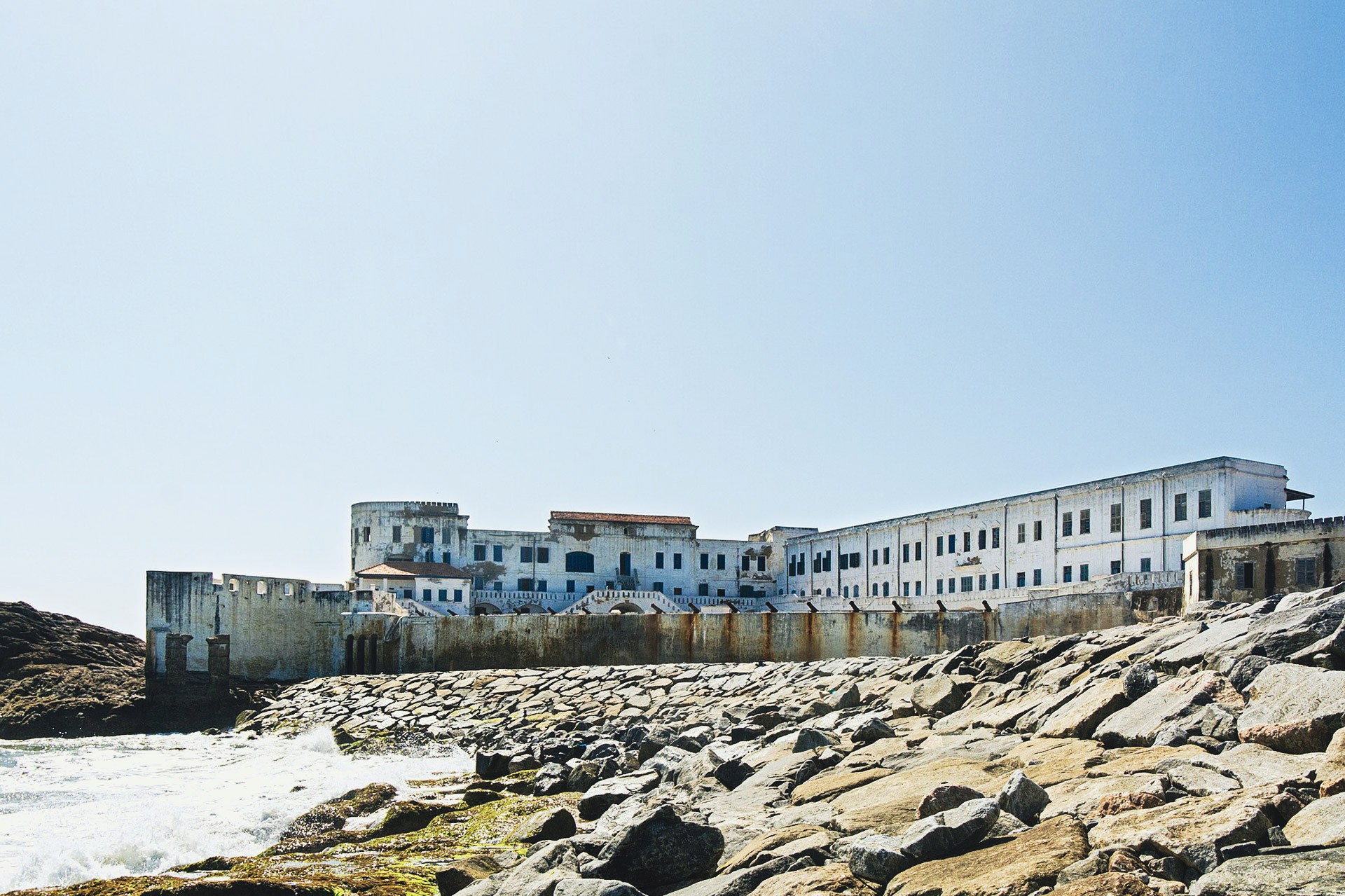
Cape Coast Castle
The Story
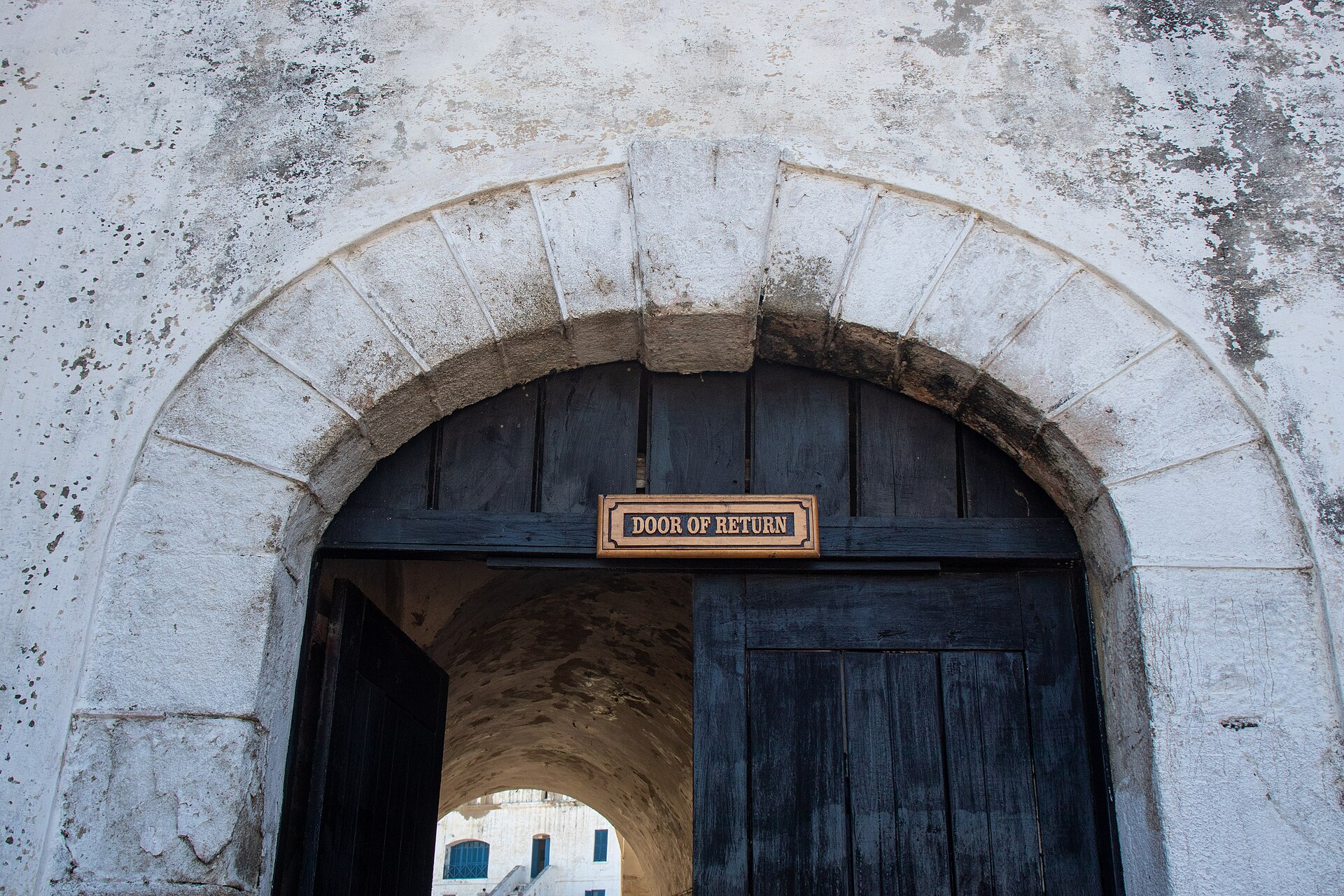
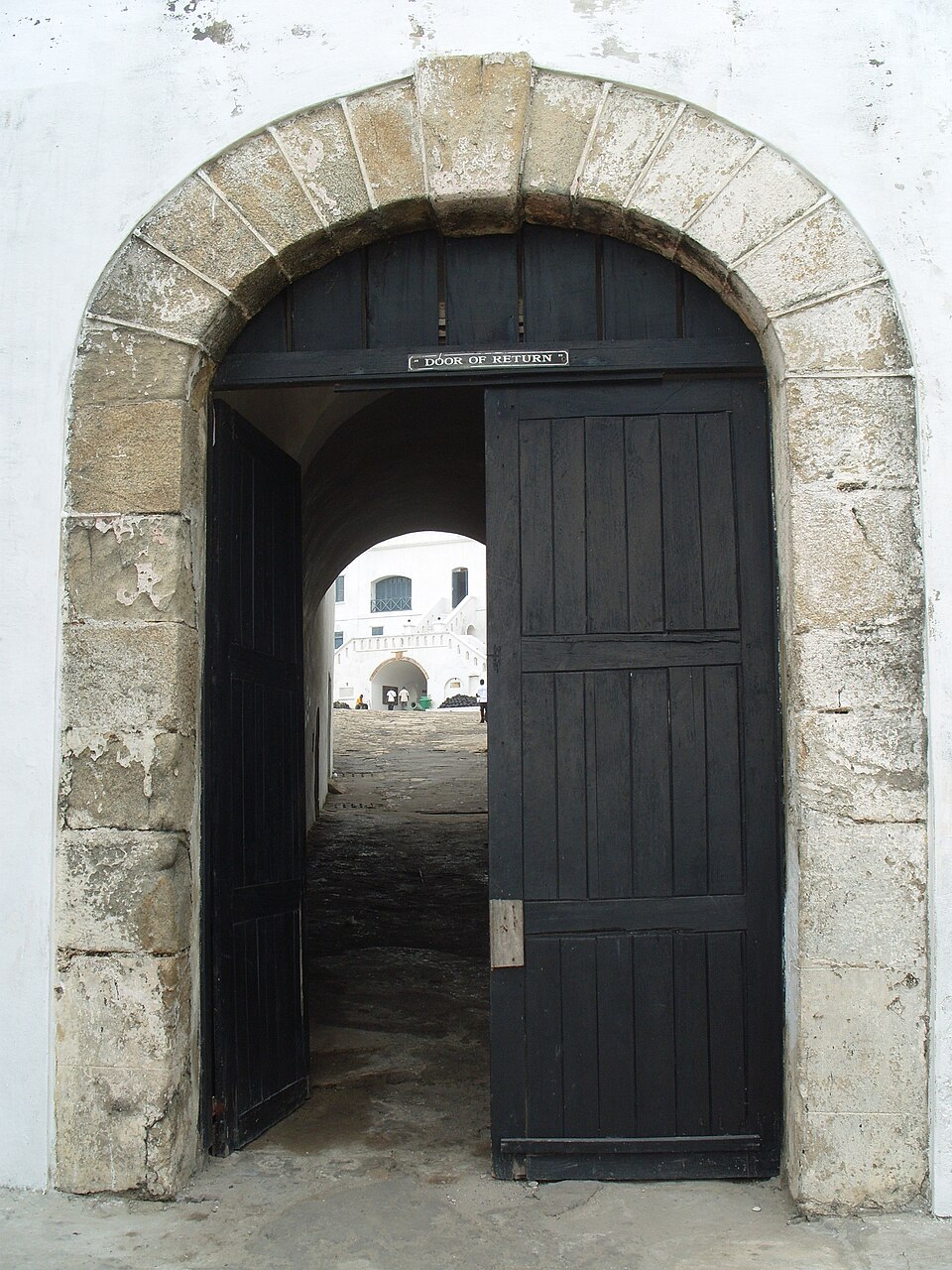
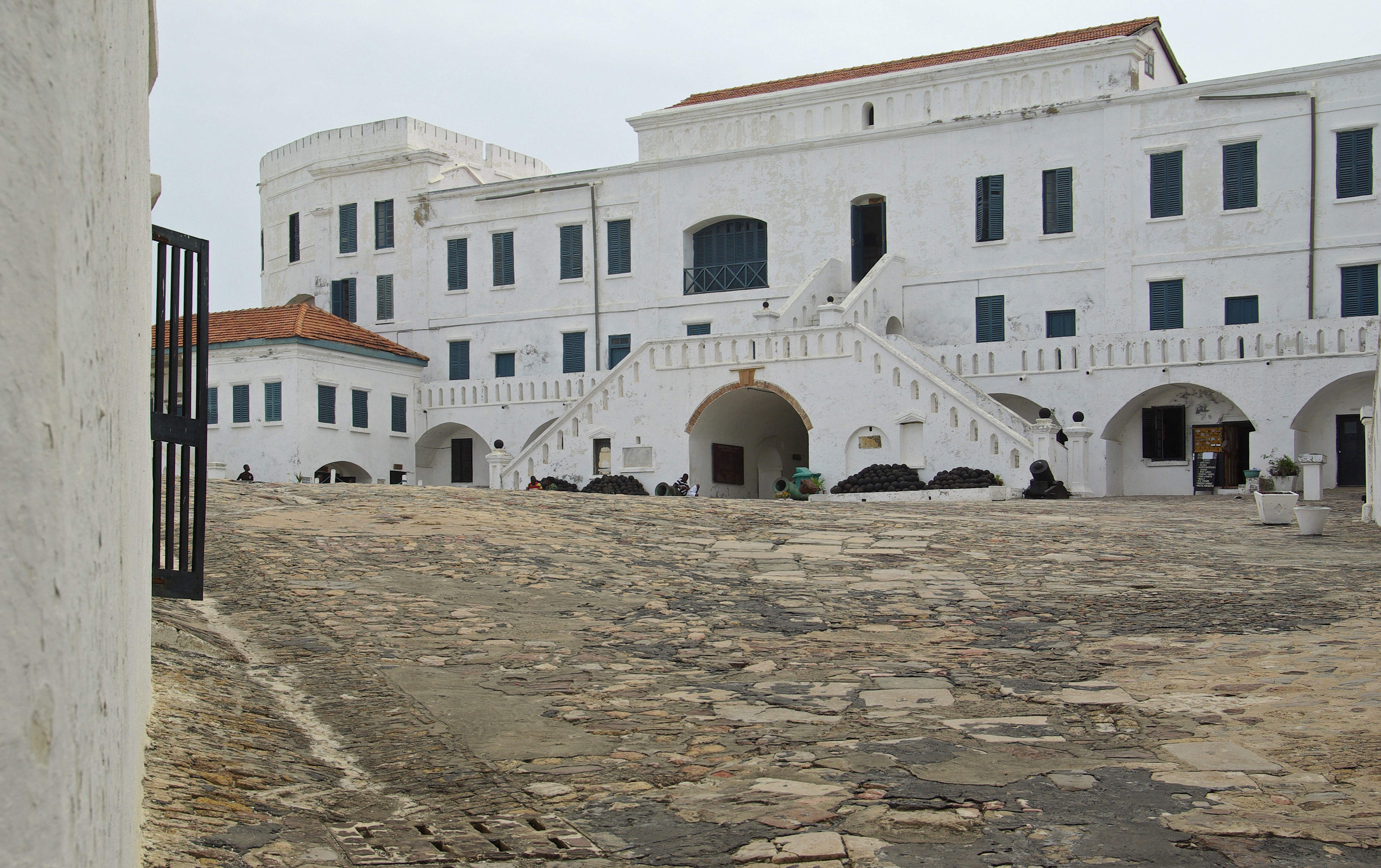
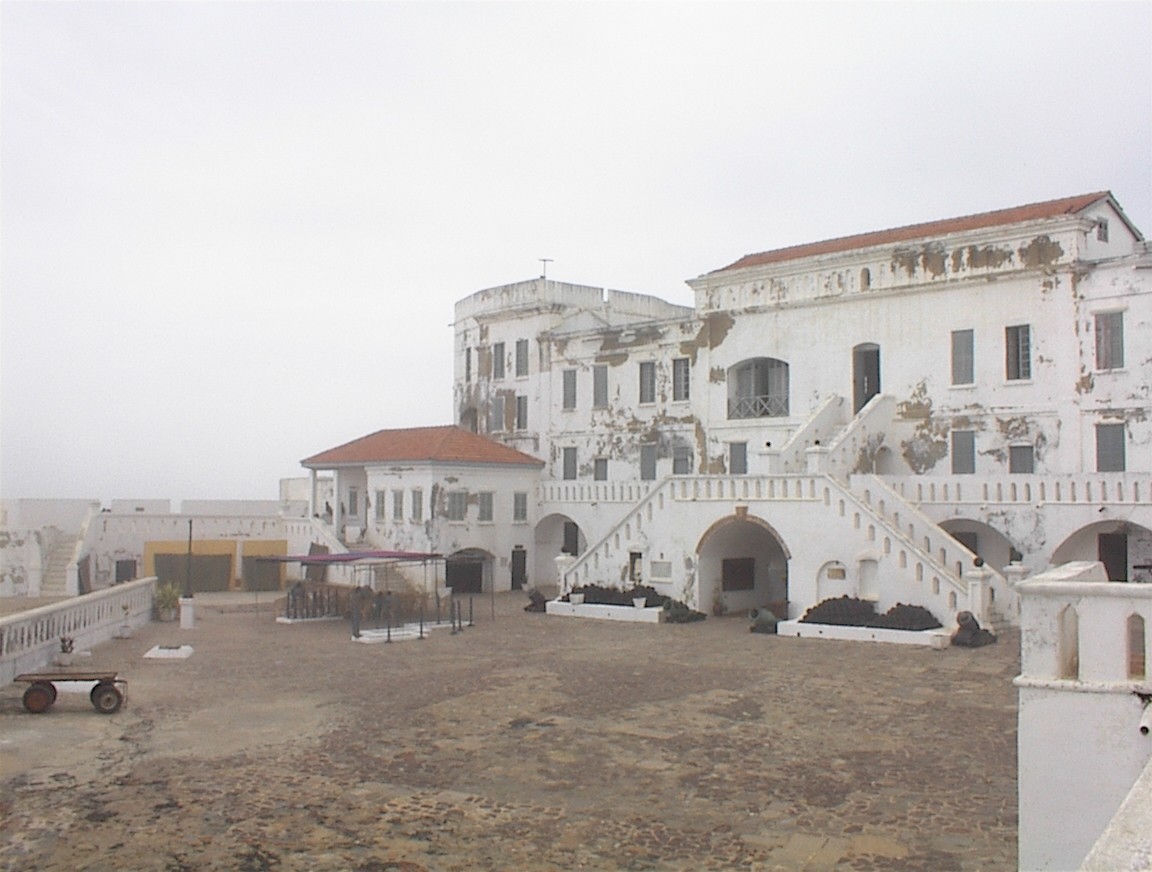
Built by the Swedish in 1653 and later controlled by the Dutch and British, Cape Coast Castle became one of the most significant slave-trading posts on the West African coast. Beneath the governor's ballrooms and administrative offices, dungeons held hundreds of enslaved people in conditions of deliberate brutality before the transatlantic crossing. The castle also served as a center of colonial administration for the Gold Coast well into the 20th century. Today it is a UNESCO World Heritage Site and a place of pilgrimage for the African diaspora including the Door of Return ceremony reclaiming what was taken.
What Awaits You
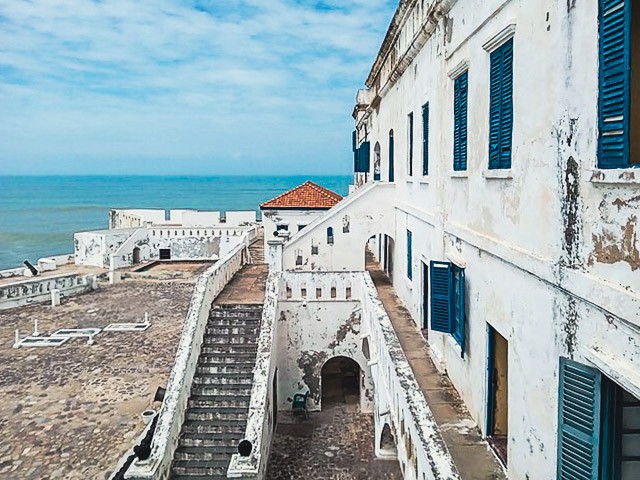
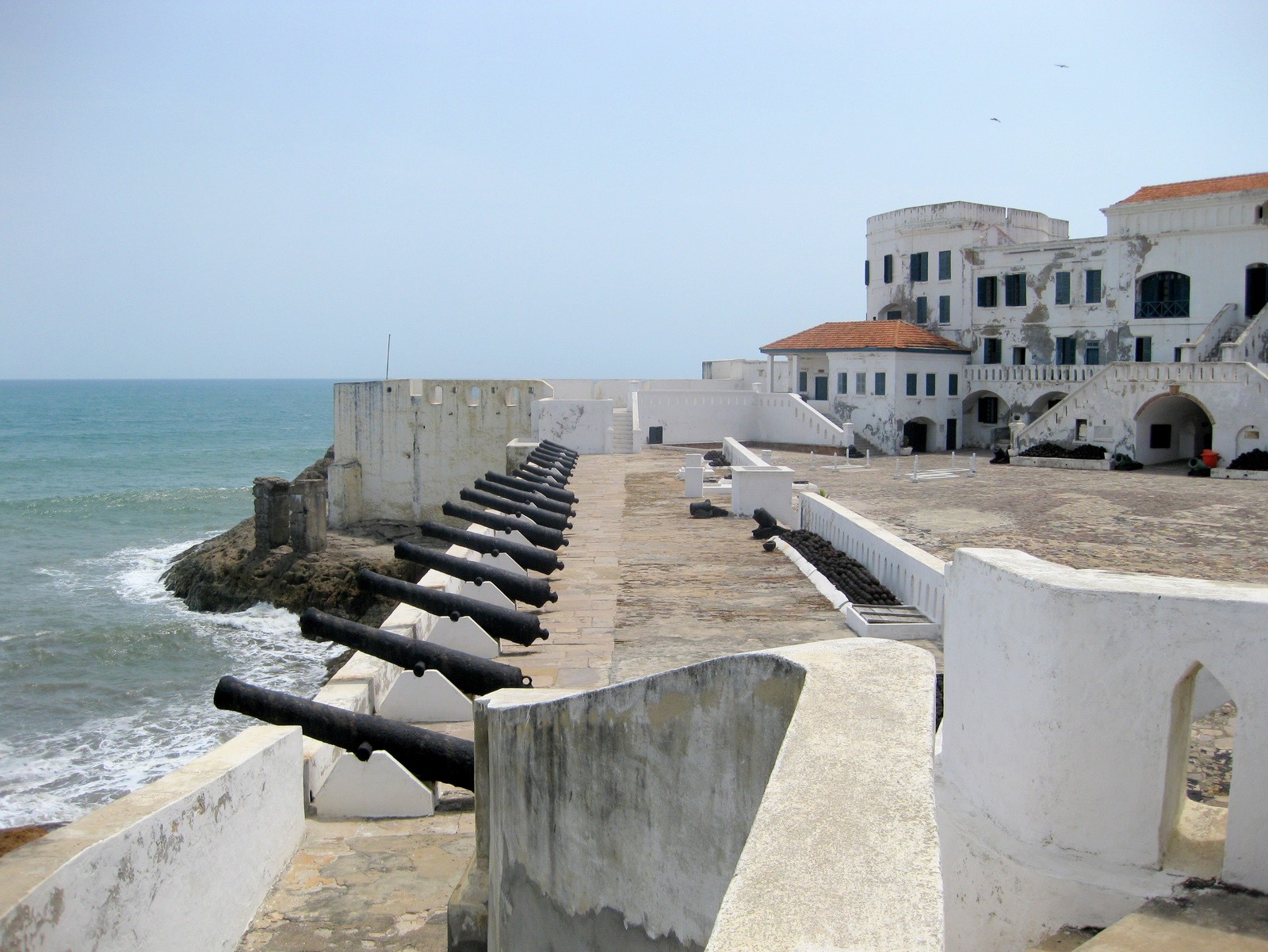
Architecture: White-plastered European colonial fortress built directly on the Atlantic coast, with cannons, dungeons, governor's quarters, and the Door of No Return
Cultural significance: One of the largest slave-holding sites in West Africa — an estimated 1.5 million people passed through its dungeons between the 17th and 19th centuries
Landscape / setting: Perched on the Atlantic coast in Ghana's Central Region, the ocean crashing against its foundations
Unique feature: The Door of No Return — the final point of departure for enslaved Africans — now also known as the Door of Return for diaspora visitors making the journey back
Detailed Itinerary
Location
Era Built
Architecture Style
Best Time

Similar Tour