Alhambra Palace
The Story
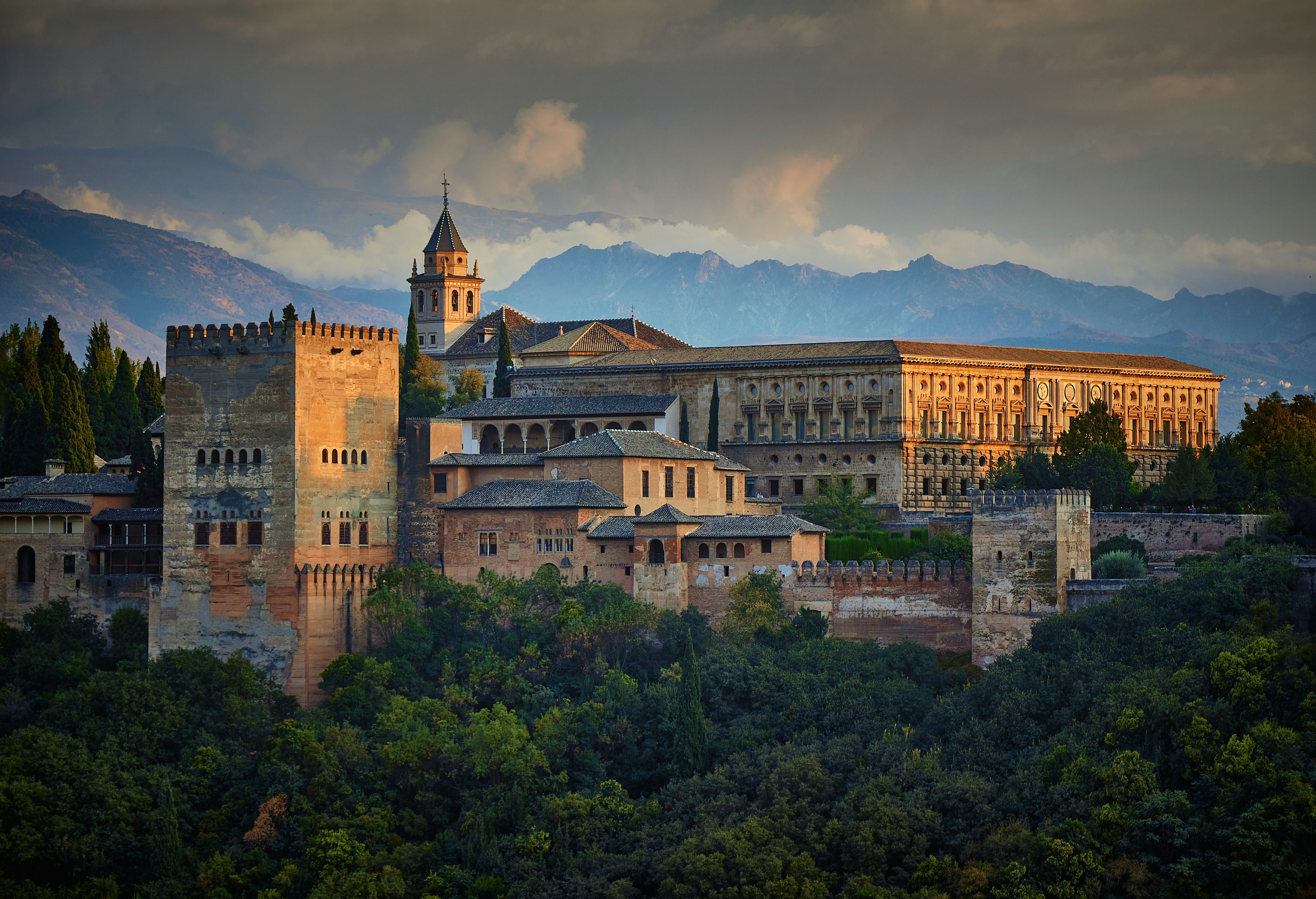
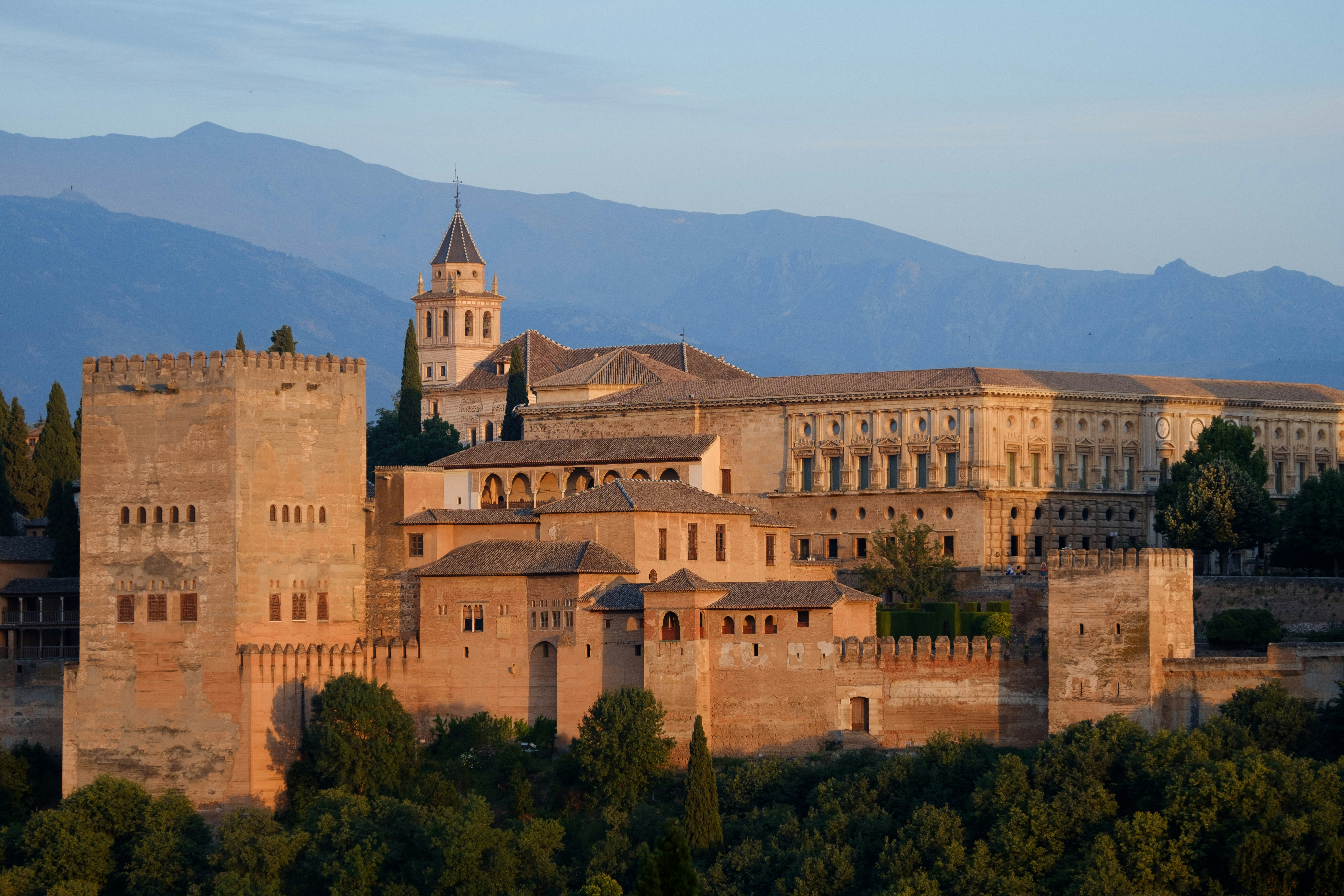
The Alhambra rose to its greatest glory under the Nasrid sultans in the 13th and 14th centuries, at a time when Granada was a center of art, science, and culture. When the Reconquista ended in 1492 and the last Moorish sultan surrendered the keys, a civilization's finest achievement passed into new hands. The Catholic monarchs added their own palace but left much intact — perhaps recognizing what they had inherited. Today the Alhambra holds the legacy of two civilizations in a single hilltop, and belongs to neither exclusively.
What Awaits You
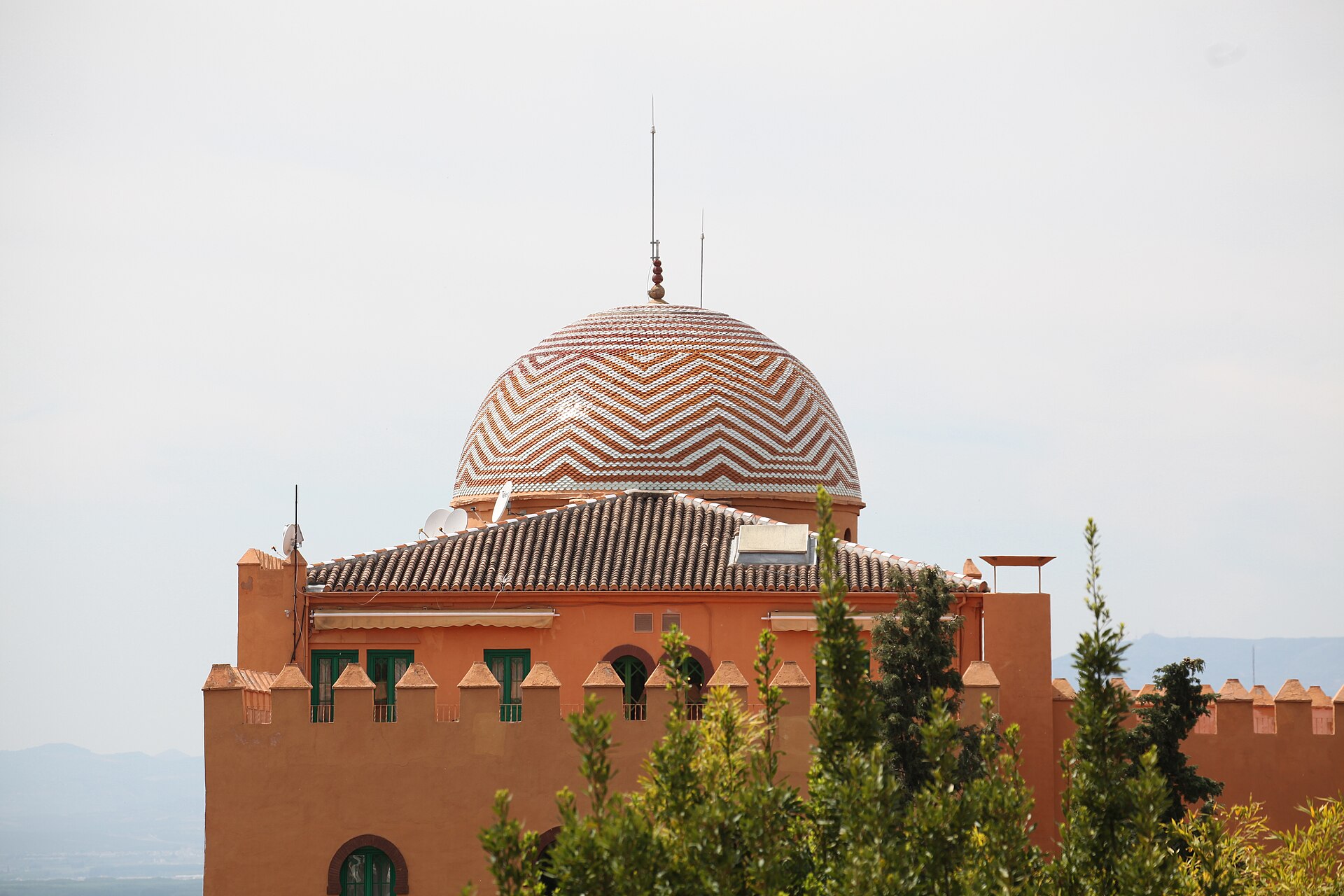
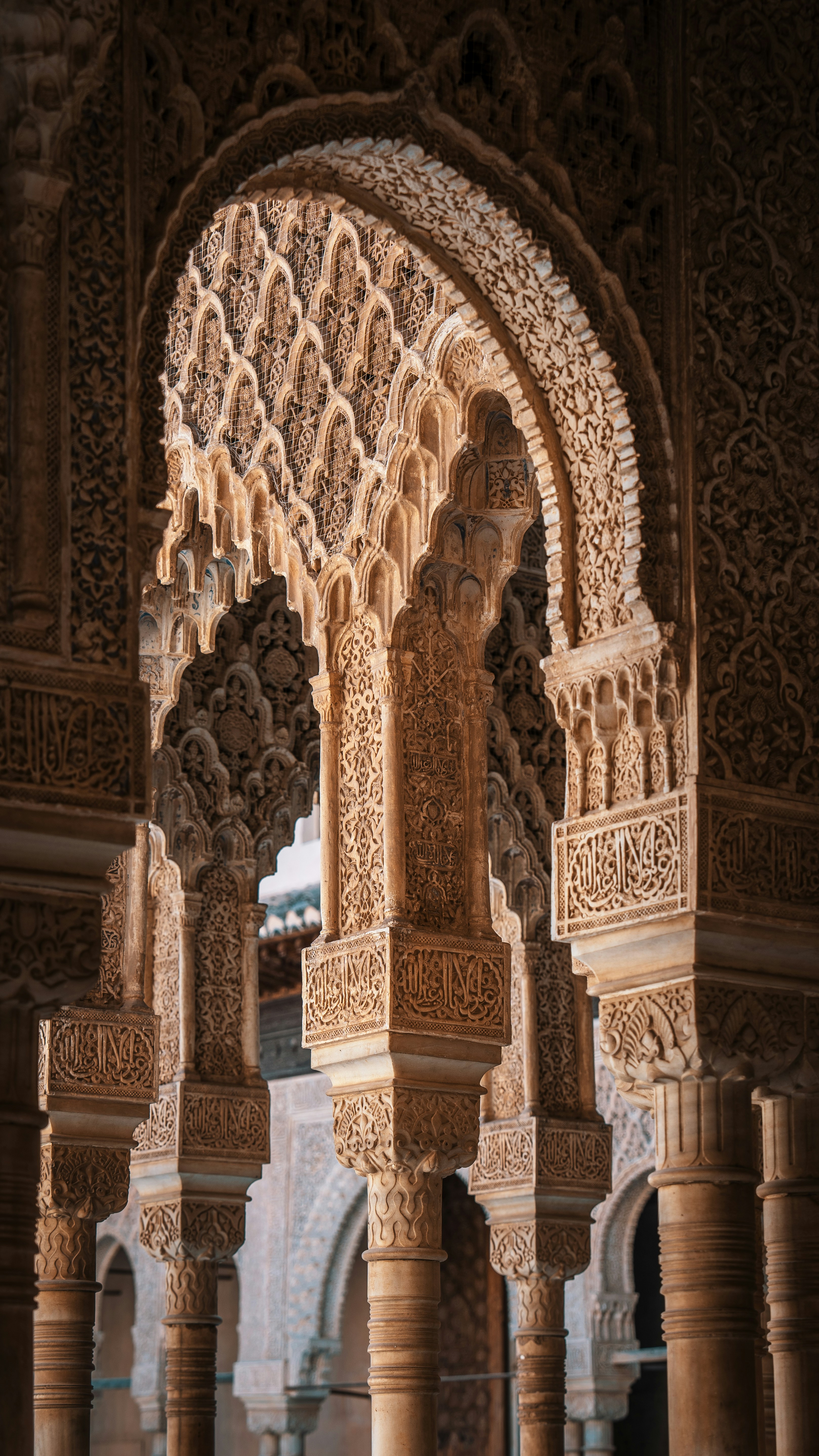
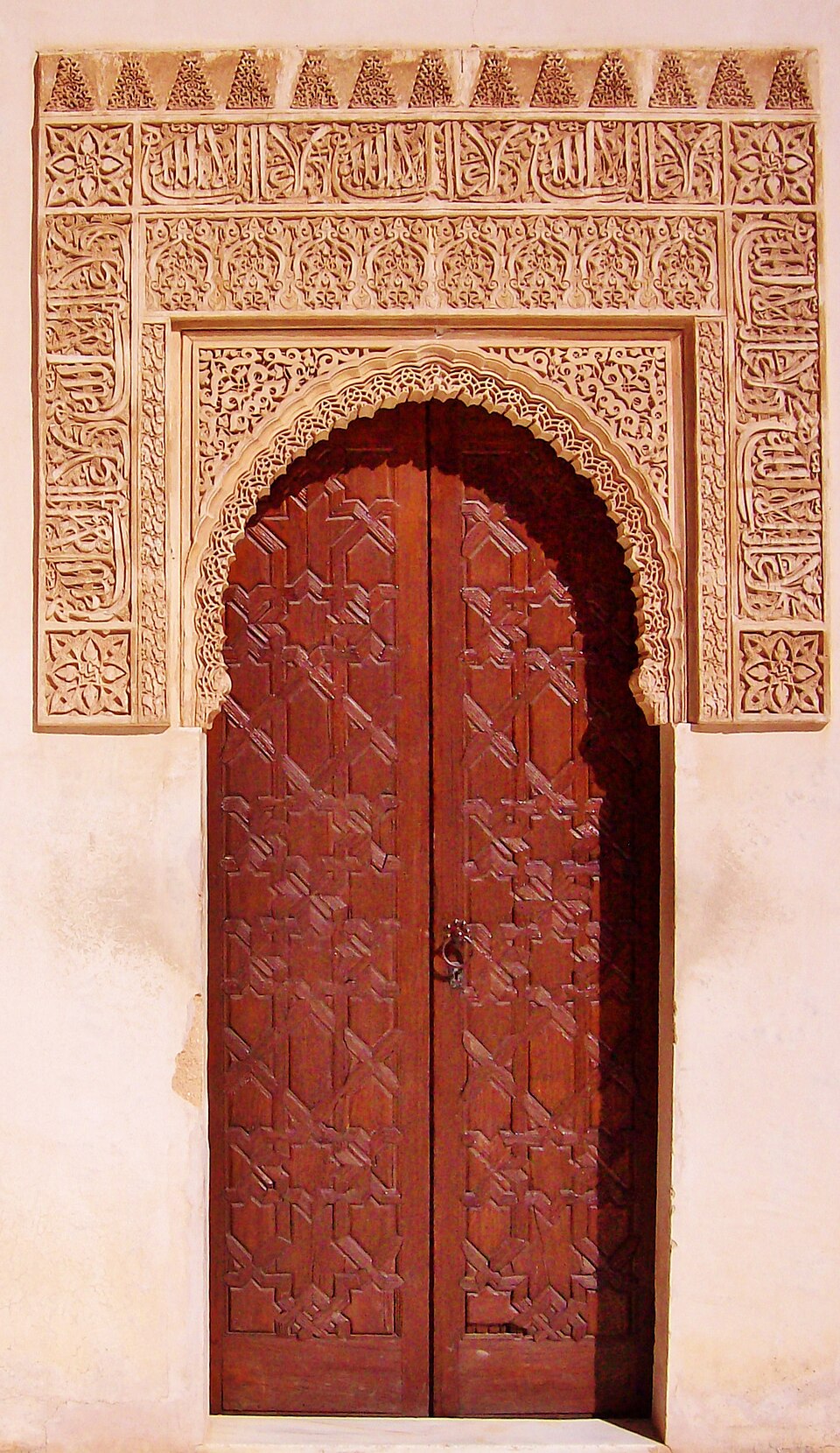
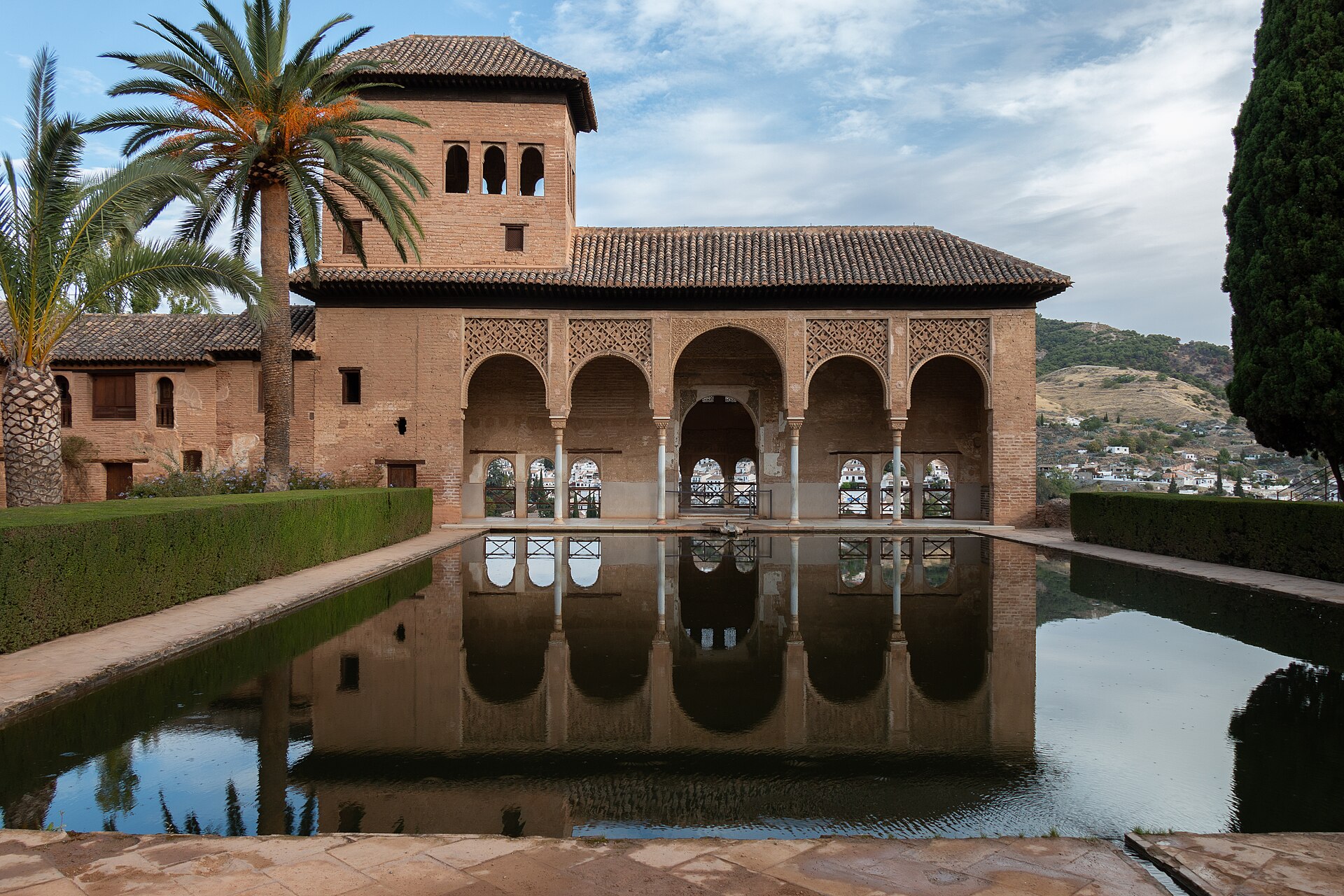
Architecture: Interlocking palaces, courtyards, and gardens featuring intricate stucco, muqarnas ceilings, geometric tilework, and Arabic calligraphy carved into every surface
Cultural significance: The last great Islamic palace complex in Western Europe — built by the Nasrid dynasty at the peak of Moorish cultural achievement in Spain
Landscape / setting: Perched on Sabika Hill overlooking Granada, the Sierra Nevada mountains, and the Albaicín quarter
Unique feature: The Court of the Lions, with its famous marble fountain supported by twelve sculpted lions, is considered a masterpiece of world architecture
Detailed Itinerary
Location
Era Built
Architecture Style
Best time

Similar Tour